NUX continues to move upmarket with the MG-30 MKII. We have tried many guitar processors and have kept a Line 6 Helix in the studio for years. An earlier NUX model genuinely impressed us, especially for the money. So what separates the new MG-30 MKII from the more ambitious MG-50Li?
MG-30 MKII: more than a cosmetic revision
The MG-30 MKII retains a compact pedalboard format but gains a dual-DSP architecture said to provide twice the processing headroom of the first generation. Its TS/AC-2K engine covers 28 guitar amps, five bass amps and two acoustic models. Ten user slots support compatible NUX IMAGE or NAM captures.
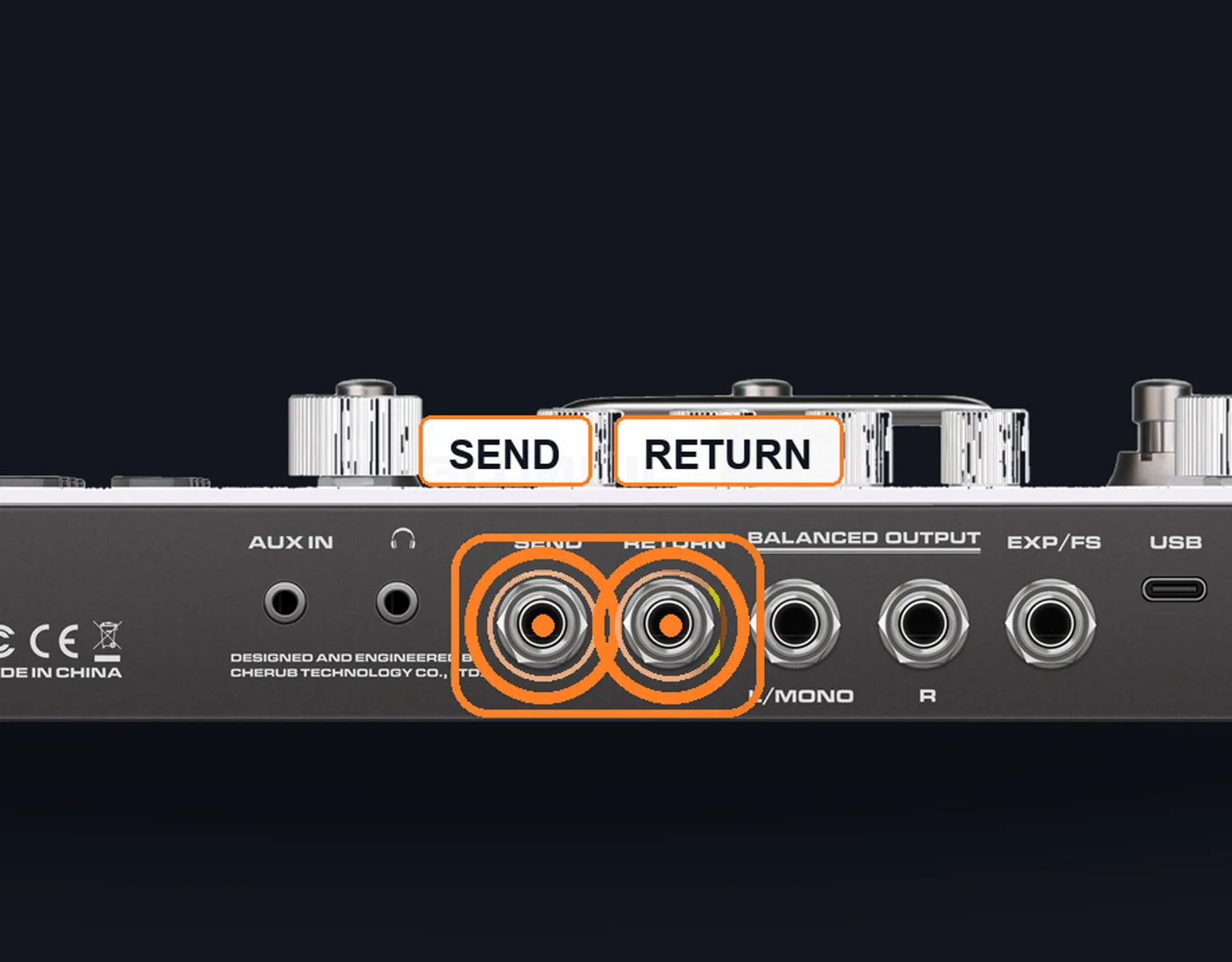
It offers twelve movable signal blocks with parallel routing, 32-bit conversion, third-party impulse responses and USB-C recording. Those features make it a serious home-studio option, not just a practice processor.
MG-50Li: a more advanced stage and studio platform
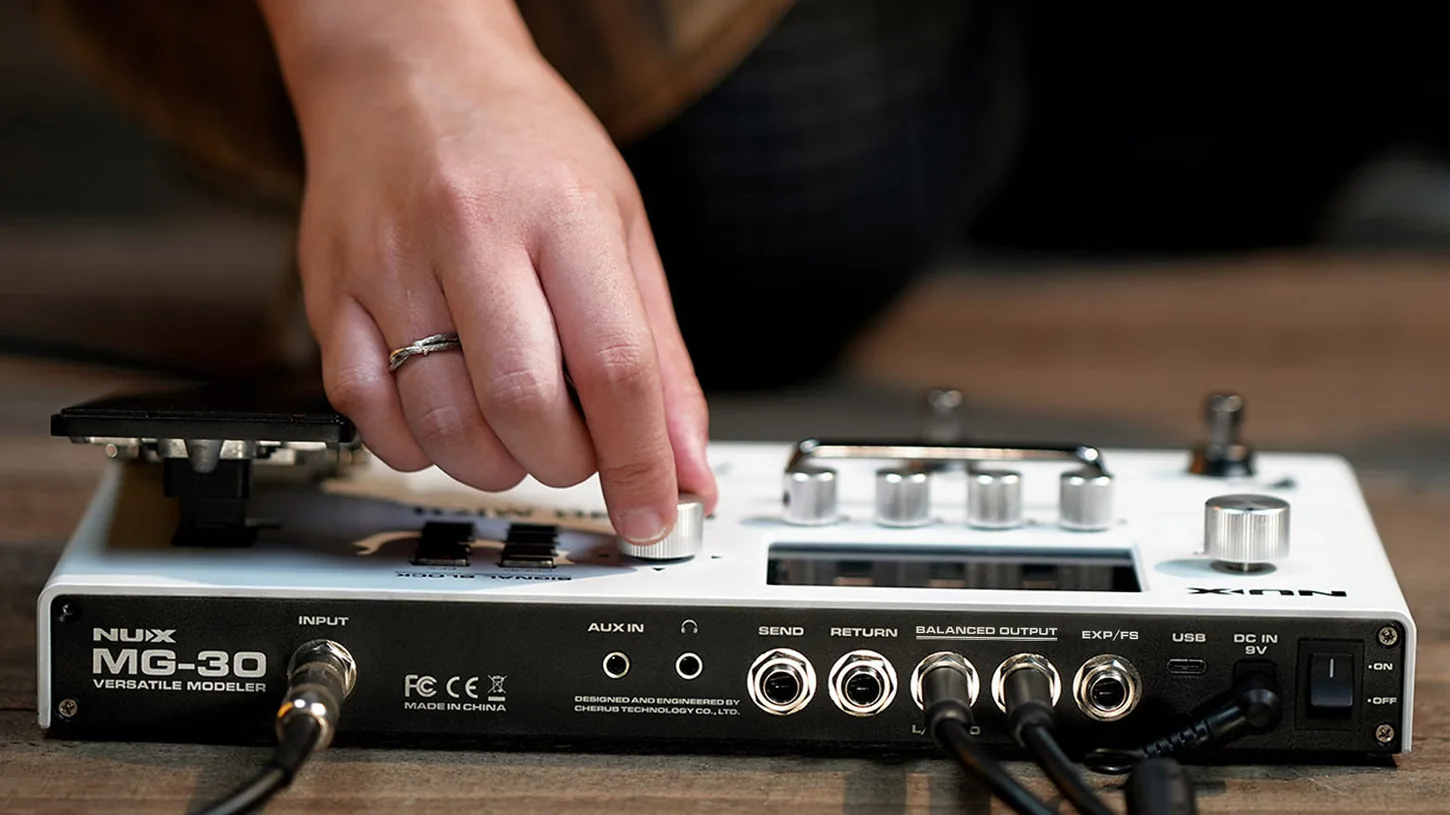
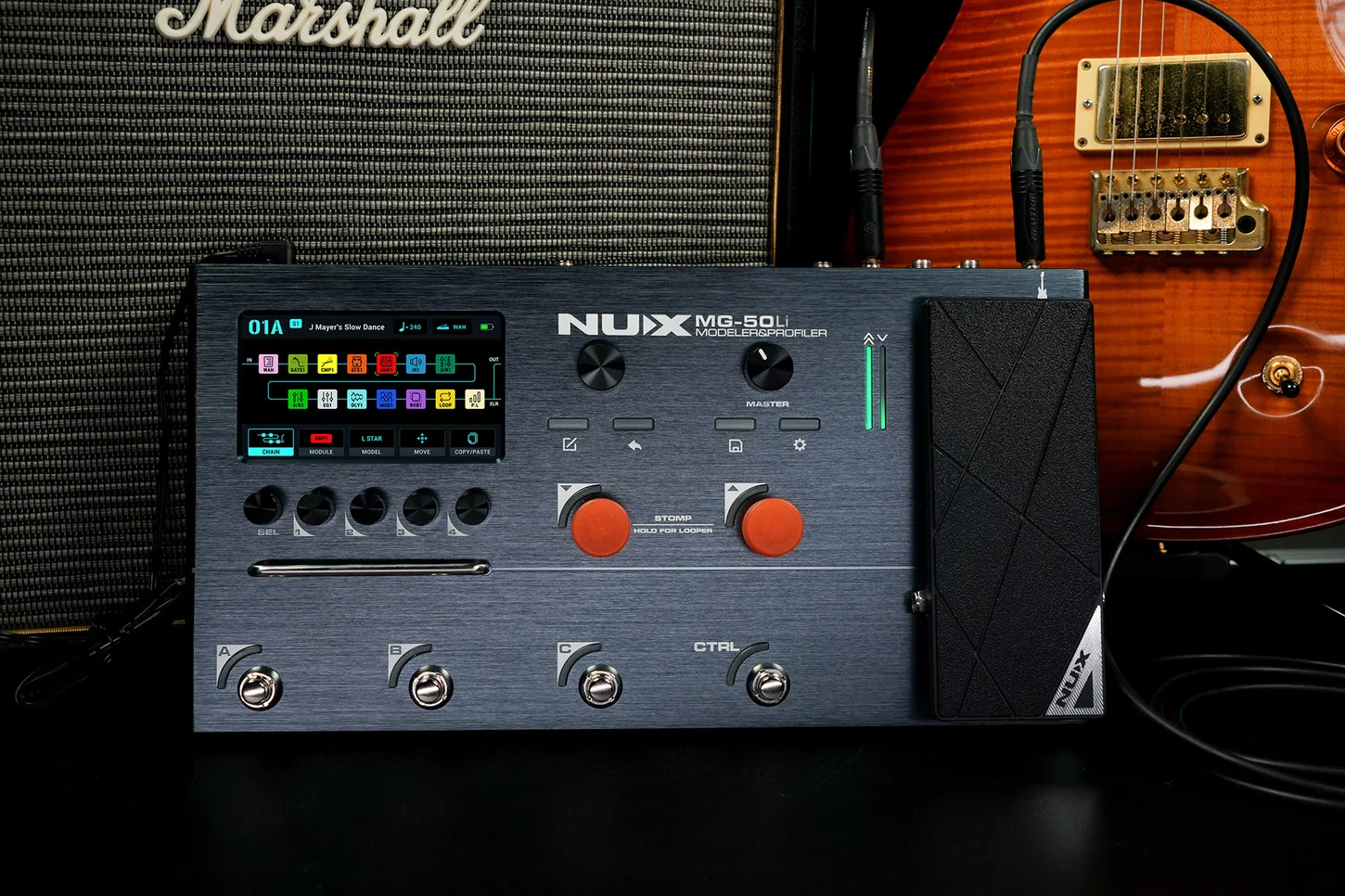
The MG-50Li moves to TS/AC-4K modeling, three DSP processors and Deep Image profiling. Its dual-chain architecture supports up to fourteen simultaneous effect blocks, while stereo Cyber IR offers virtual microphone positioning and distance adjustments.
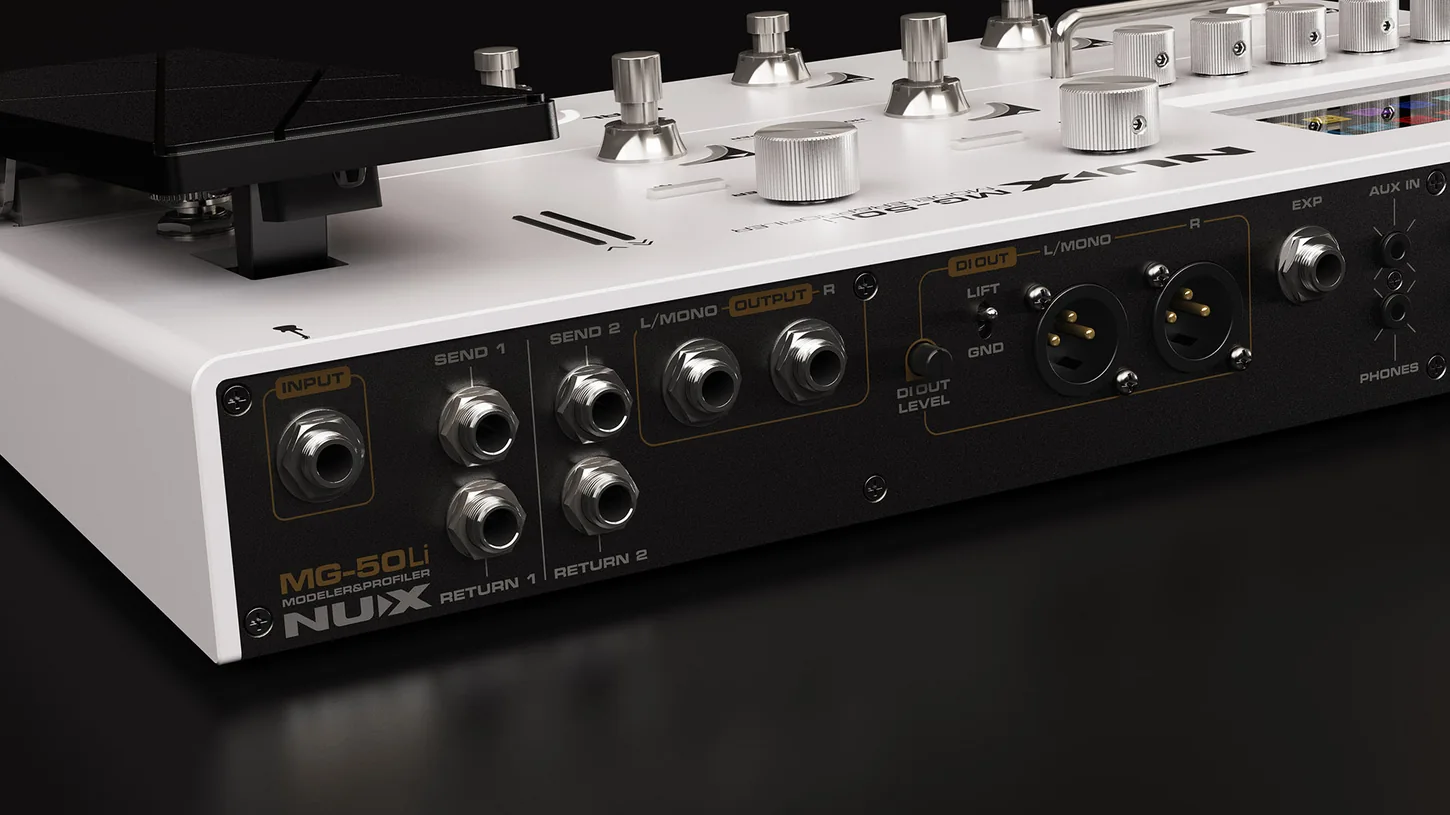
Two external effects loops, stereo XLR outputs and MIDI connections make it suitable for complex rigs. A built-in battery rated for roughly six hours adds portability. This is a more comprehensive, larger system.
MG-30 MKII vs MG-50Li: the real differences
Both units are designed for guitar tone shaping and USB recording, and both support compatible captured sounds. But their amp-modeling generation, block count and routing possibilities are not the same.
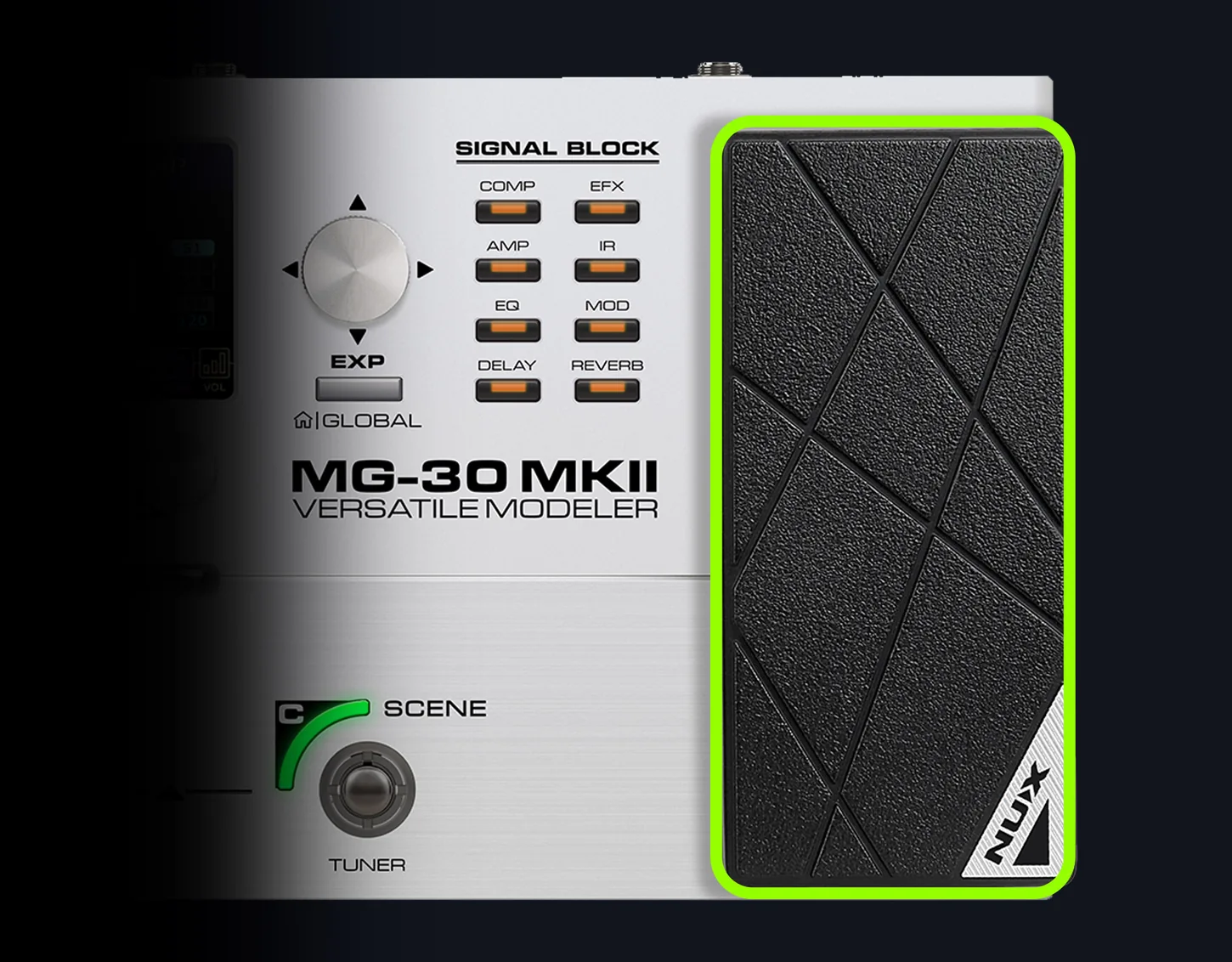
Here are the specifications worth comparing before choosing a live or studio setup.
| Feature | MG-30 MKII | MG-50Li |
|---|---|---|
| Amp modeling | TS/AC-2K | TS/AC-4K + Deep Image |
| Processors | Dual DSP | Triple DSP |
| Effects / routing | 12 moveable blocks; parallel routing | Up to 14 blocks; dual chains |
| Captures | Compatible IMAGE/NAM; 10 user slots | IMAGE, Deep Image and NAM |
| Impulse responses | Third-party IR, up to 1,024 points | Stereo Cyber IR with mic placement |
| Outputs | Balanced TRS output | Stereo XLR outputs |
| Effects loops | Send/Return | Two separate loops |
| MIDI | Check for your configuration | Dedicated MIDI In/Out |
| Power | External supply | Built-in battery, up to 6 hours |
| Recording | USB-C audio interface | USB audio interface |
Recording use: think connectivity, not just amp counts
The MG-30 MKII’s balanced TRS output, twelve blocks and streamlined design may be all many players need for direct recording. The MG-50Li makes more sense when stereo XLR feeds, independent effects loops and elaborate parallel chains are central to the workflow.
What matters is whether you need external pedals, separate sends, reamping flexibility or two distinct sounds going to the desk — not simply a longer preset list.
Our experience with modelers and the Line 6 Helix
We have evaluated many amp simulators and used a Line 6 Helix at STUDIO 2.0 for years. It remains an effective reference for fast sound choices, demos and detailed effect chains.
When we heard an earlier NUX, the sound and value genuinely surprised us. We have not tested these two newer units, so our next comparison would focus on touch response, low-end definition, noise, effects and ergonomics.
Which one should you choose?

The MG-30 MKII looks attractive for players seeking a compact, current-generation modeler for composing, performing and recording. The MG-50Li better suits users who need dedicated MIDI, two effects loops, dual chains, stereo XLR outputs and battery operation.
In the studio we would listen closely to the direct outputs, impulse responses, latency and routing flexibility before judging the modeled amps themselves.
Our studio perspective
NUX has become a brand we follow with interest. The MG-30 MKII promises an impressive amount for its category; the MG-50Li is designed for a more demanding rig.

Specifications are encouraging, but we would still want a real recording session alongside our Helix before recommending either as a professional tracking solution.
Key takeaways
MG-30 MKII means TS/AC-2K, twelve blocks and balanced TRS output. MG-50Li adds TS/AC-4K, fourteen blocks, dual chains, stereo XLR, MIDI, two loops and rechargeable power. Two different levels of flexibility.
Discover our guitar studio experience.
Product details and specifications on the official website.
 STUDIO 2.0 · GUITAR EXPERIENCEExplore the guitar in a whole new way.Guitars, tone, amplifiers and discoveries: a studio experience made for guitar enthusiasts.DISCOVER THE GUITAR EXPERIENCE