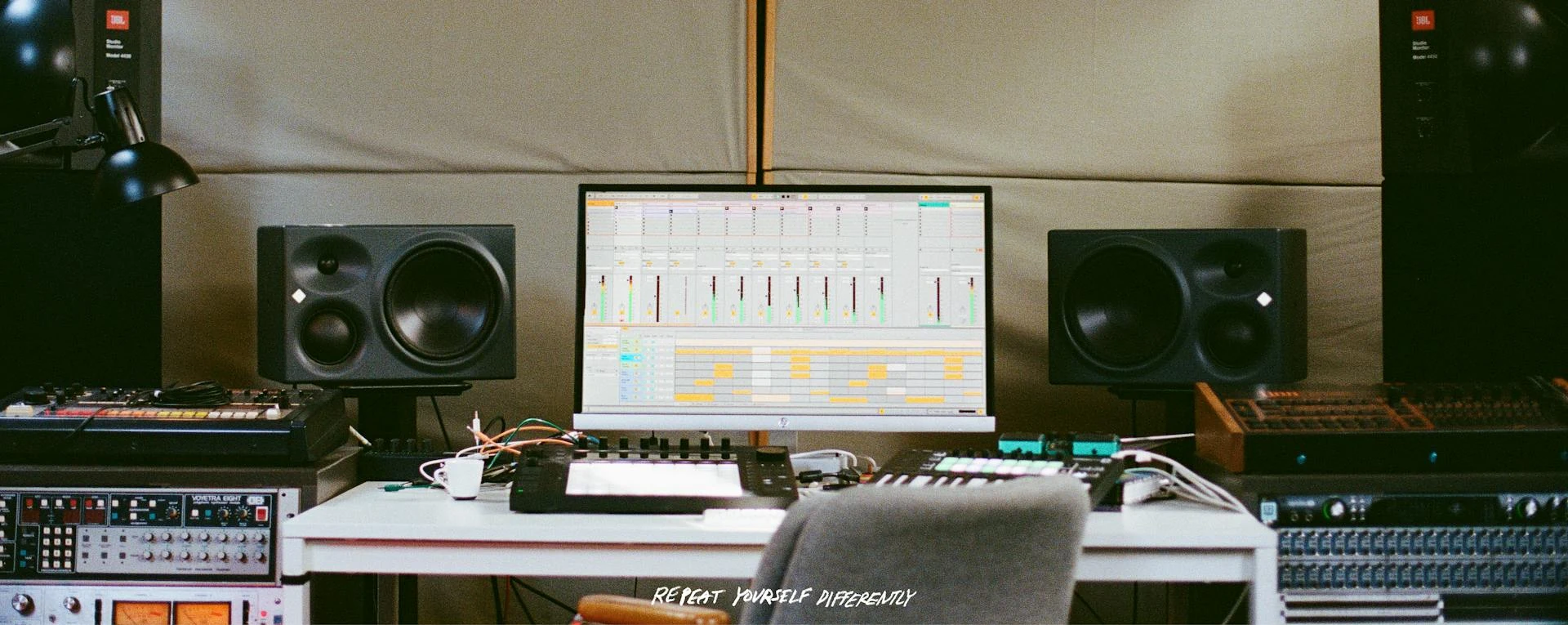
When people talk about Ableton Live, some still think first about the stage. That completely misses how deeply the software has embedded itself among producers, beatmakers, composers, arrangers and sound designers. With Live 13, Ableton does not reinvent its philosophy: it keeps refining what made the platform successful while adding features that strengthen writing, sound design, mixing and overall speed.
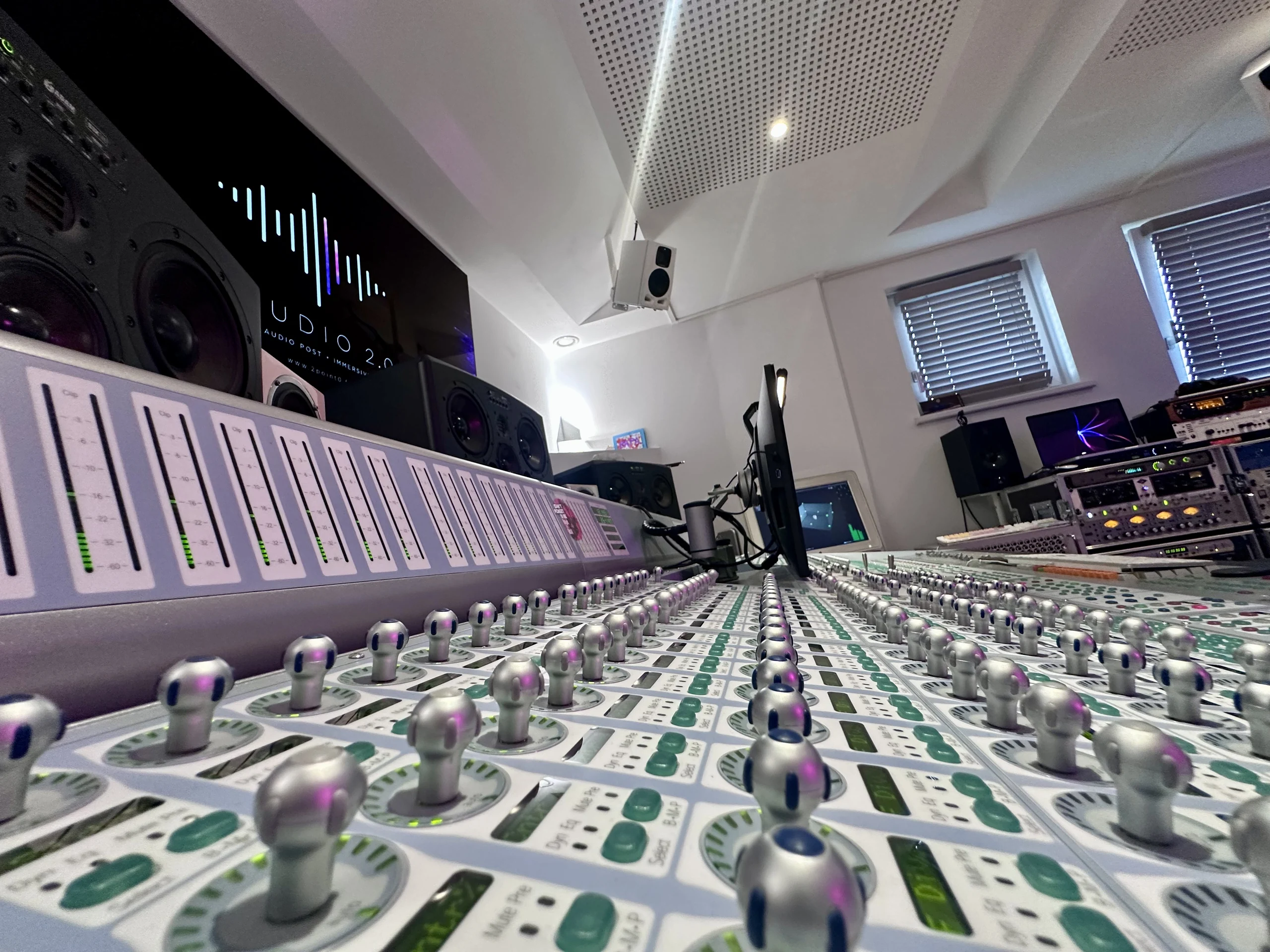
At Studio 2.0, many of our clients already use Ableton as their main production environment before bringing sessions to us for mixing or mastering. On our side, between Pro Tools and Logic Pro, we had not really felt the need to fully dive in yet. But the truth is that Live’s ecosystem, the integration with Push, its dialogue with Pro Tools, Ableton Link and the sheer flexibility of the DAW make us seriously consider using version 13 as the point where we finally jump in.
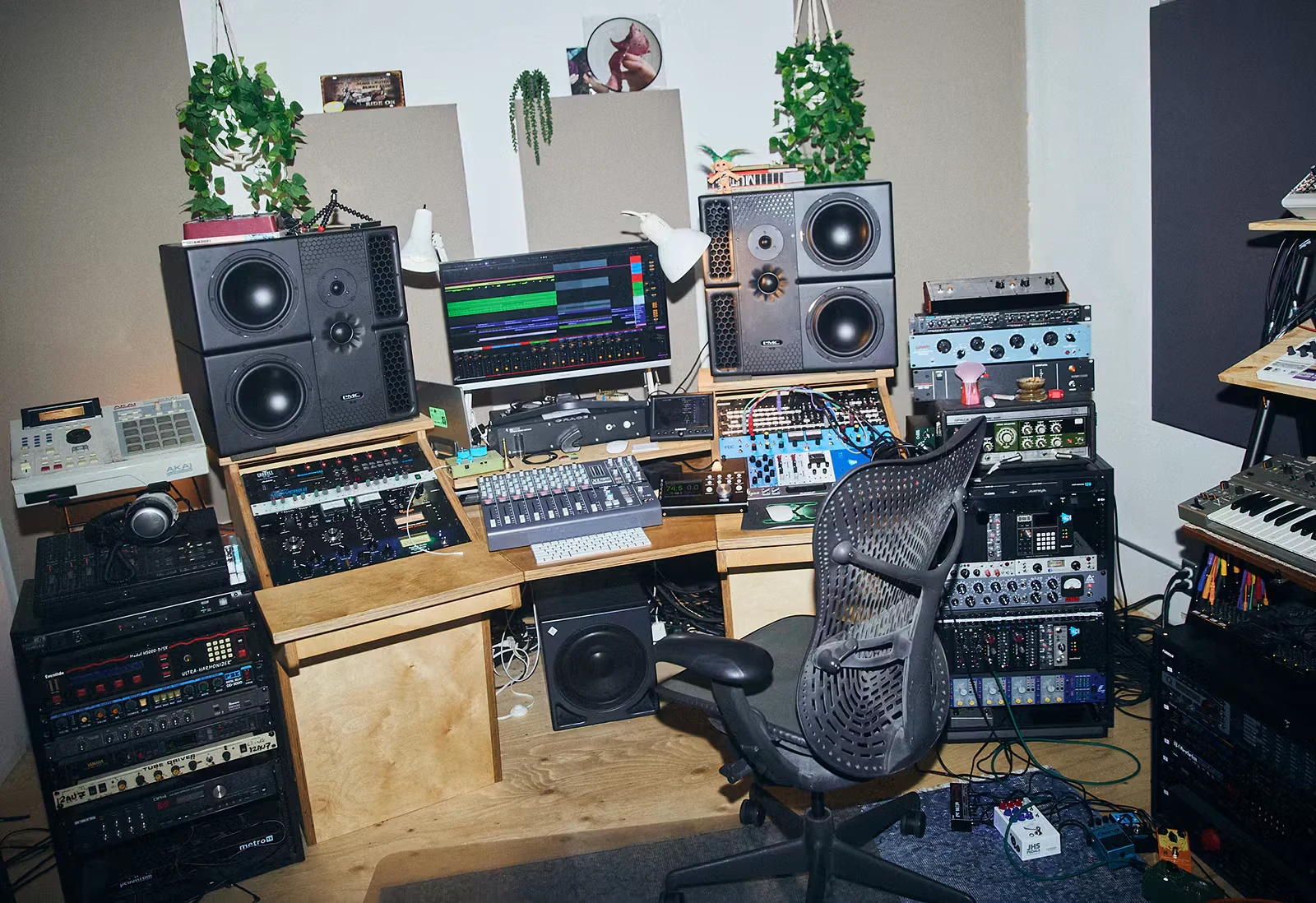
Why Live became so widely adopted
Live did not become a standard by accident. Its interface encourages experimentation, its clip-based logic makes it easy to generate ideas quickly, and its overall philosophy puts immediate creation at the center. For many beatmakers, it became natural to sketch a groove, transform a sample, automate an effect and restructure a track in the same place with a very strong sense of freedom.
What matters is that Live is no longer just the DAW of loops and performance. Its broad adoption also comes from the fact that it now covers a full production journey: writing, arranging, sound design, editing, rough mixing and stage preparation. It is not “only for live use” – and, honestly, it has not been for a long time.
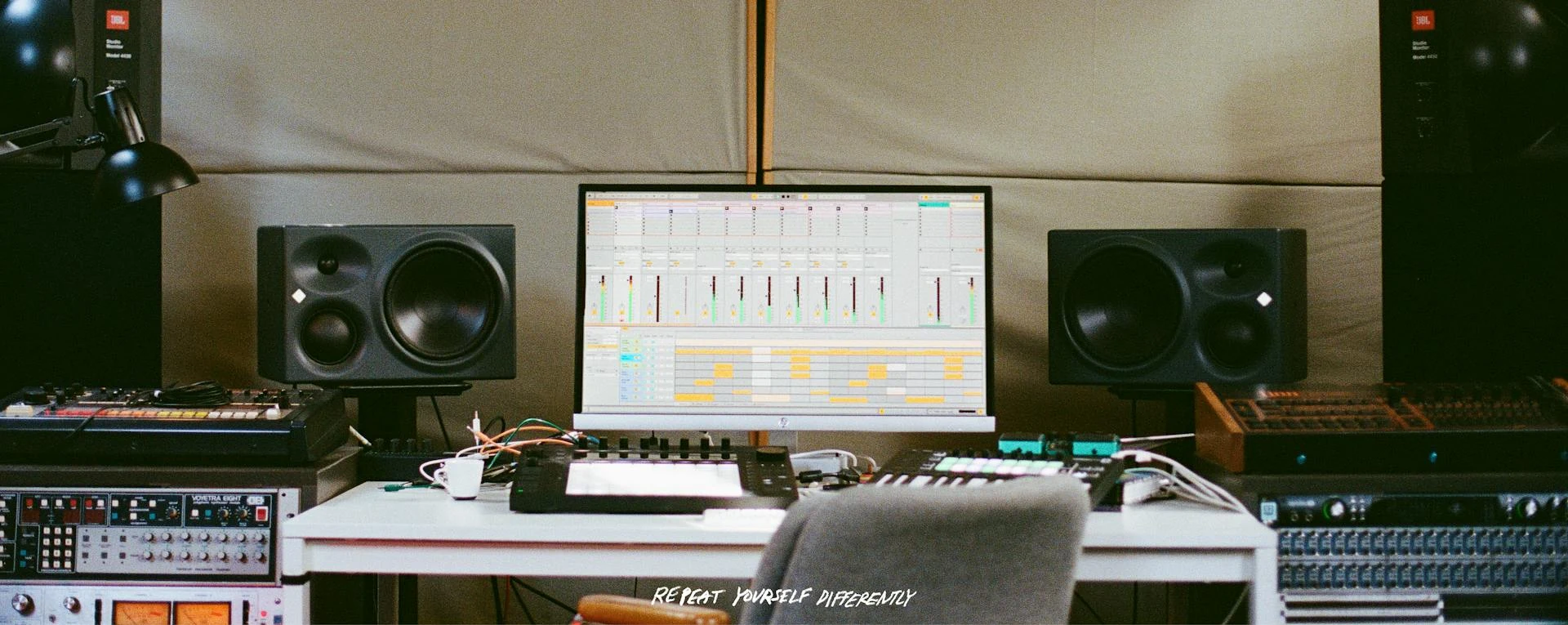
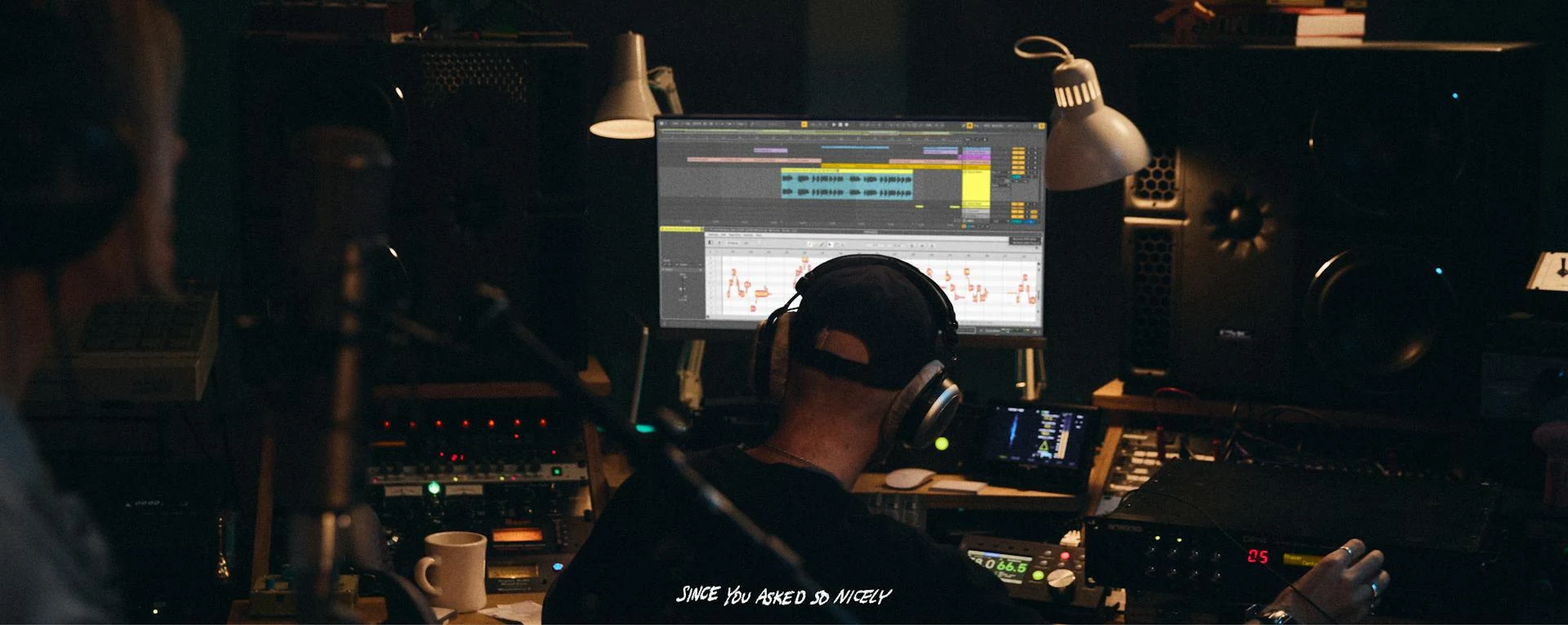
Live 13 features that speed up the birth of an idea
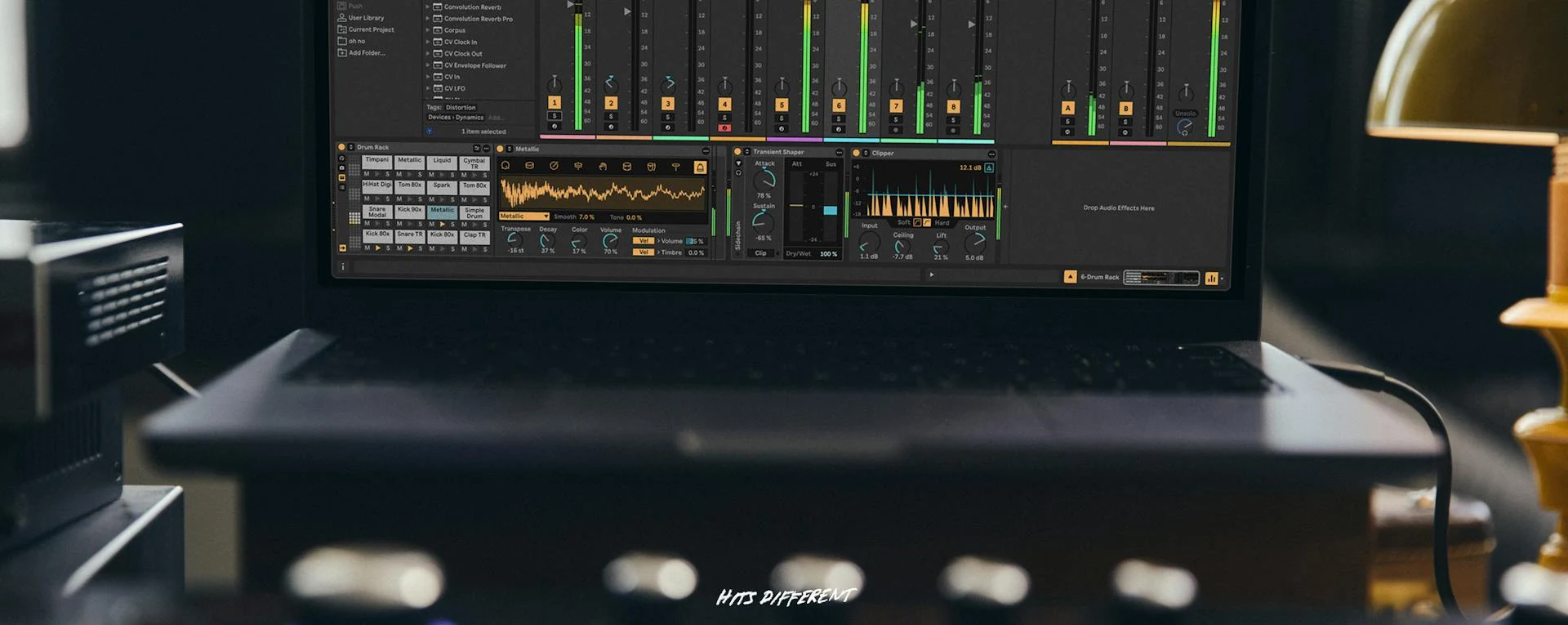
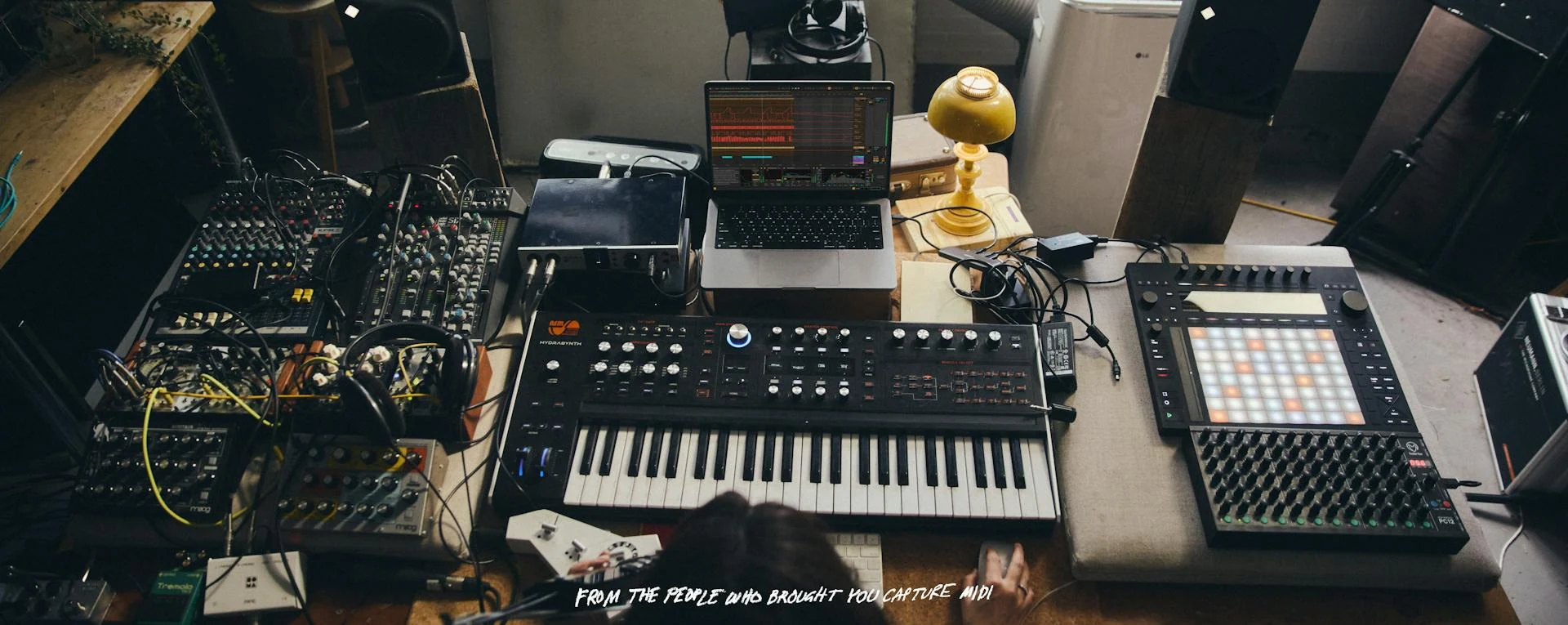
Ableton highlights several additions that matter from the very first minutes. The Step Sequencer makes it easier to create beats, melodies and polyrhythms. The arrival of ARA 2 is particularly important because it opens the door to far smoother audio editing workflows with compatible plug-ins. Drum Synth, meanwhile, offers more than twenty engines to build drum sounds at the source – something electronic, pop and urban producers will immediately appreciate.
In the same spirit, Capture Automation turns spontaneous parameter moves into usable automation, while contextual browsing lets you load devices or swap presets directly from where you are already working. These may sound like small details, but in real production work, those are exactly the refinements that preserve creative momentum.
Deeper sound-design tools
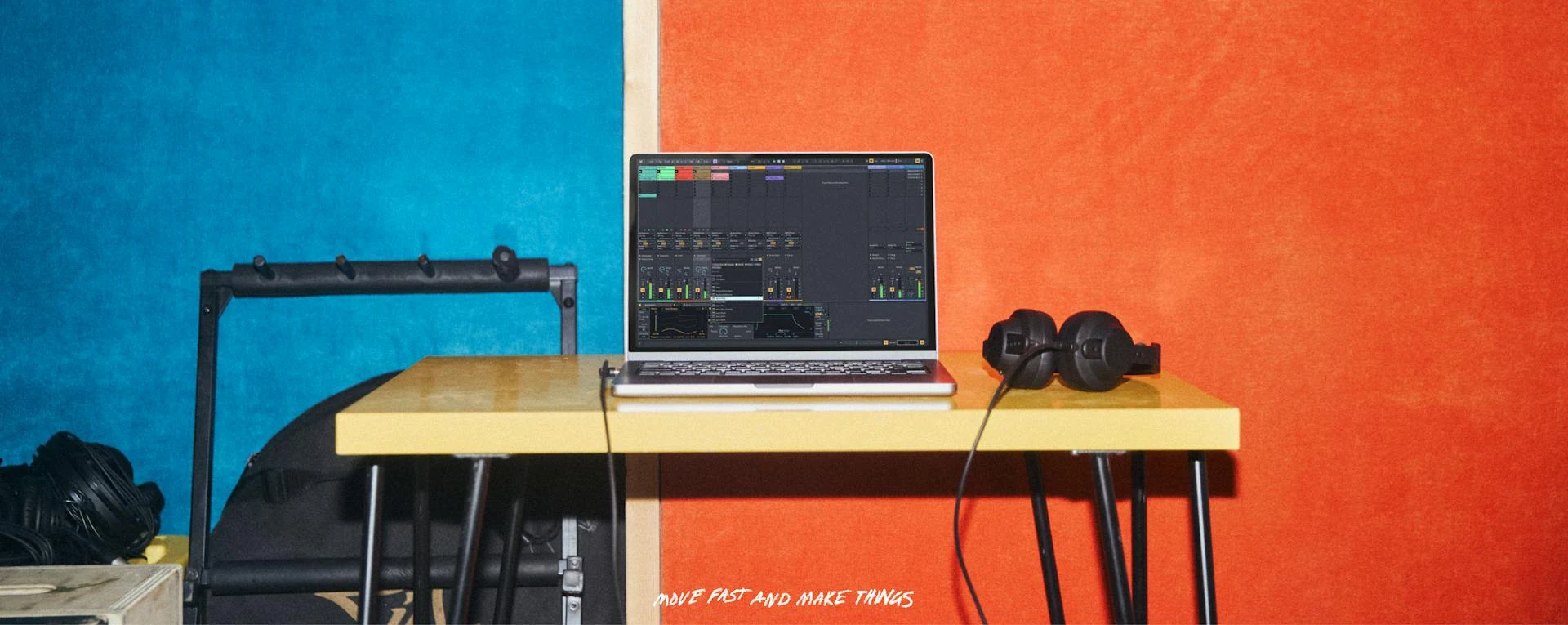
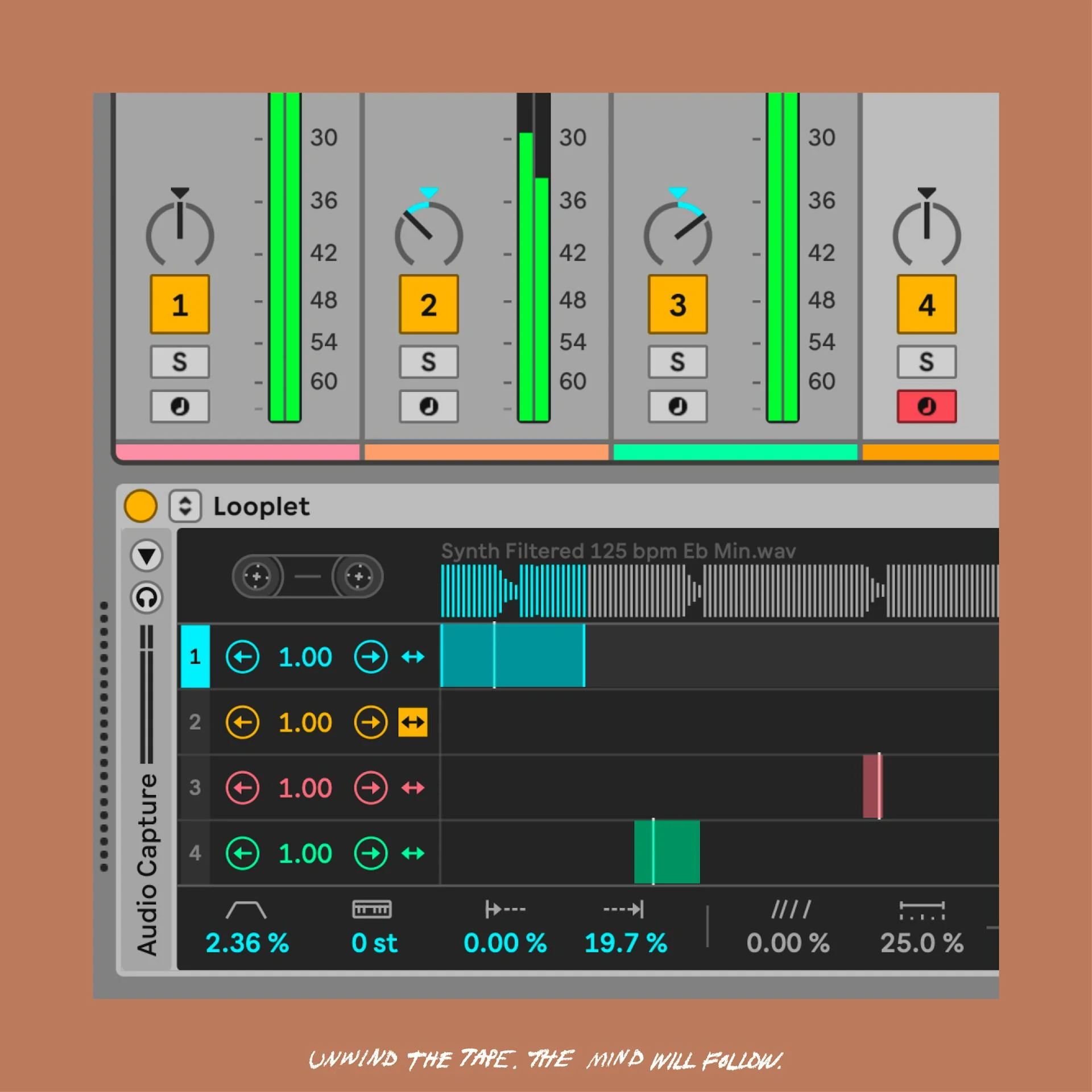
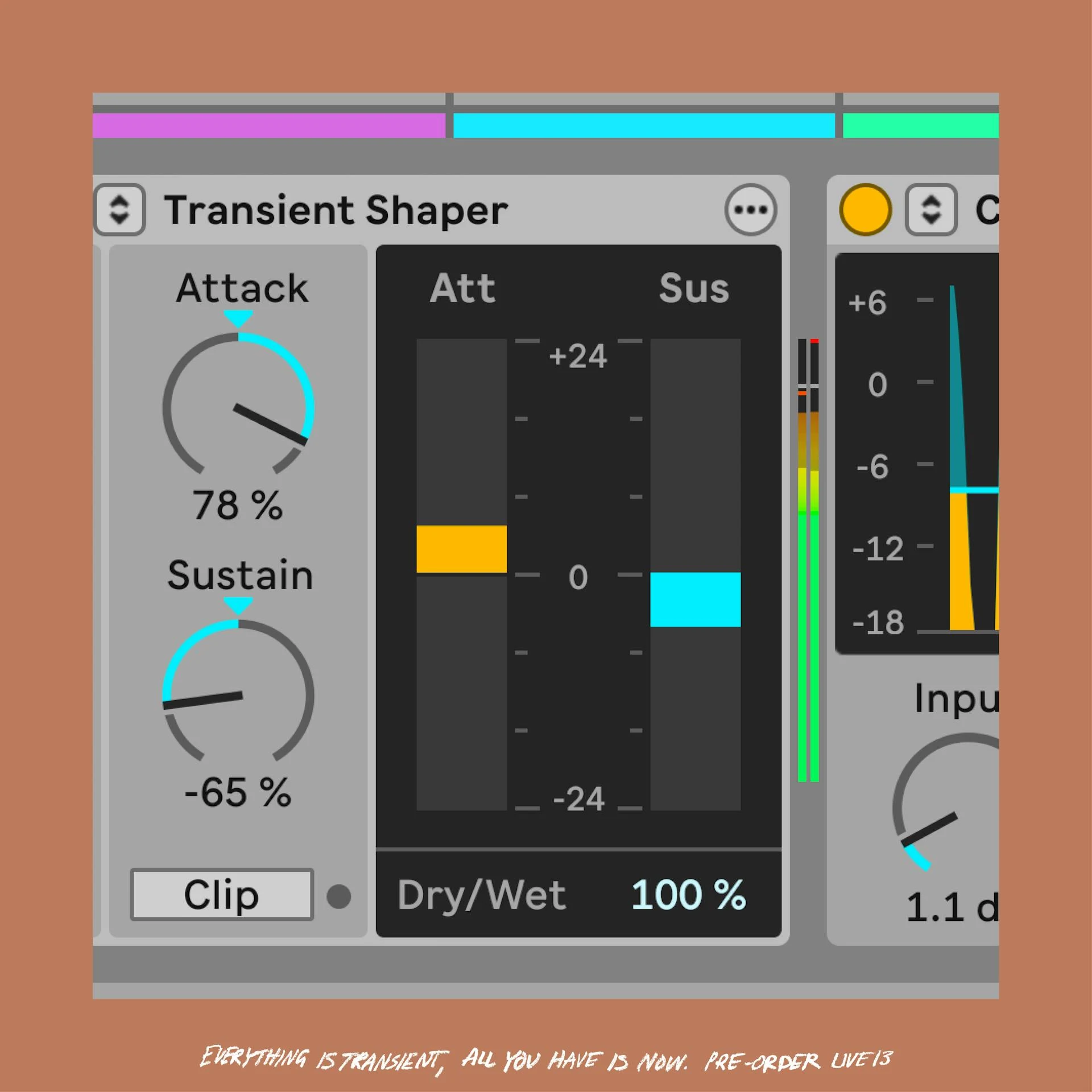
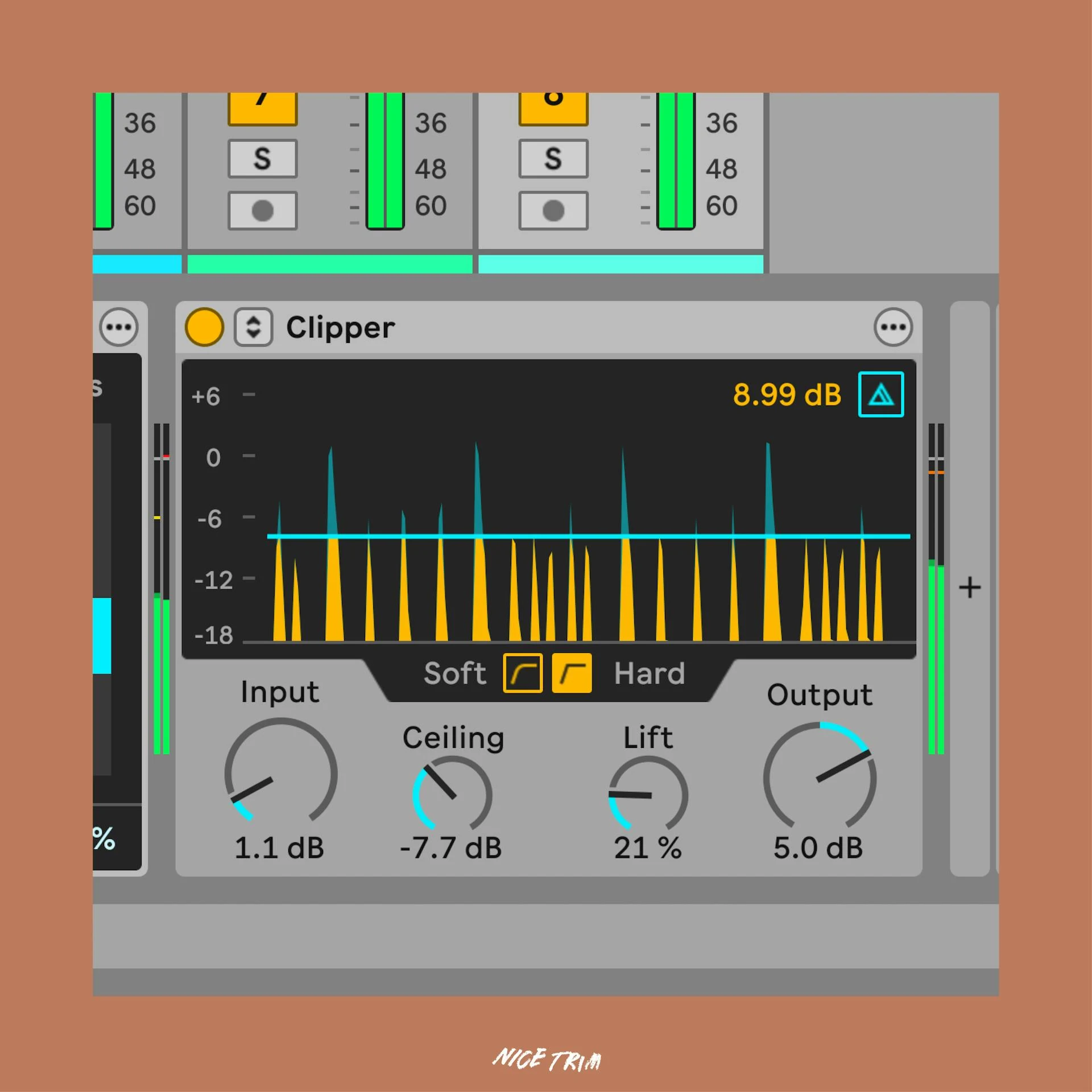
The second wave of additions extends that logic. Rack improvements mean more macros and richer mapping options; Looplet invites creative sample layering; Transient Shaper helps sculpt attack and sustain; Clipper speaks directly to many contemporary aesthetics; and Envelope Clips expand the playground for automation and modulation.
All of this confirms something essential: Live remains an environment where you can start from raw material and very quickly transform it into a fully shaped sonic proposal. That is precisely why so many beatmakers love it.
Mixing, organization and finishing: Live 13 grows up even more
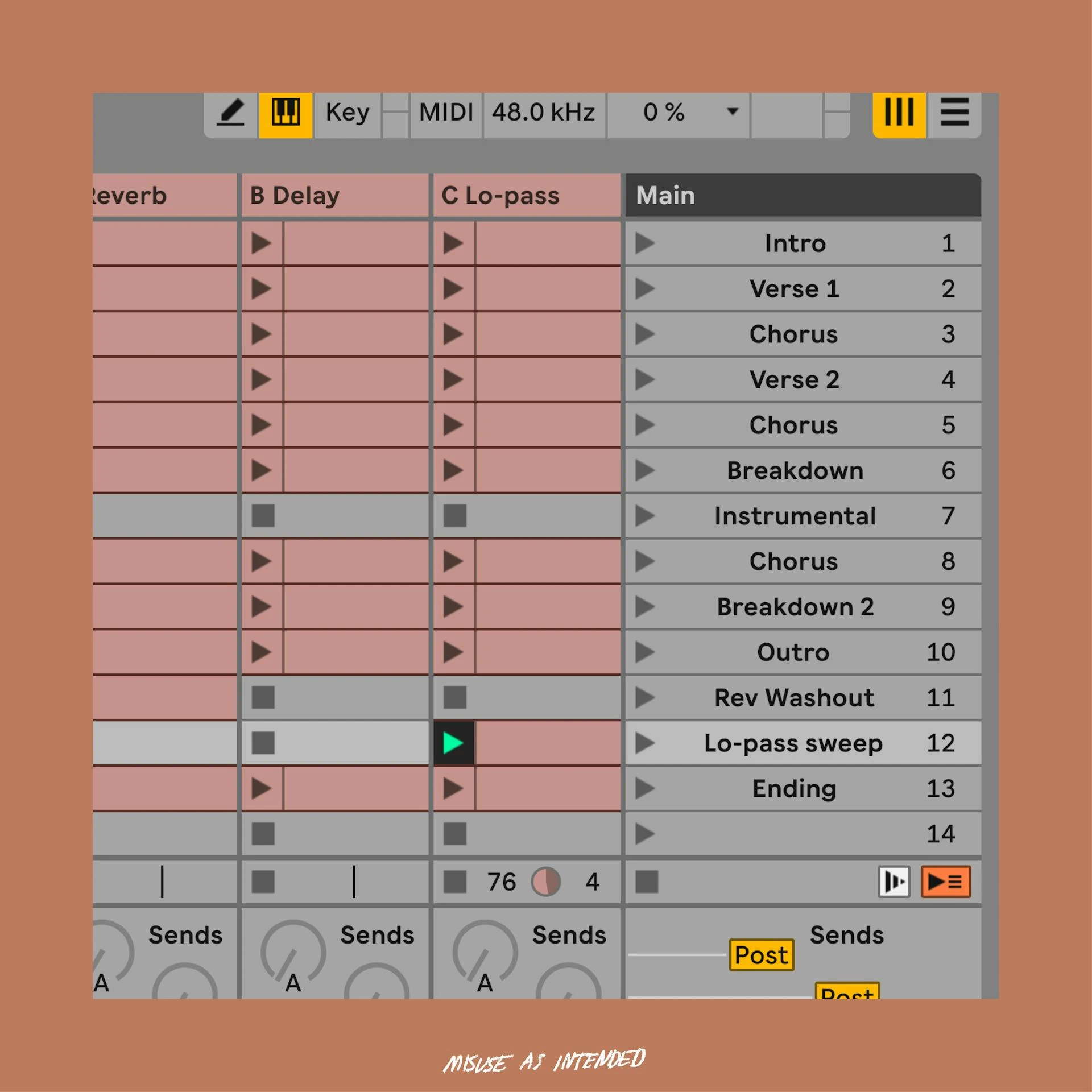
The third group of updates concerns structure and mixing. The new rack types – especially Multiband and Mid-Side – open highly relevant options for both sound design and bus treatment. Device slots make mixer reading more immediate. The expanded core library adds presets aimed at vocals, guitars, mixing or mastering, and the Softube devices add another layer of sonic color and finishing potential.
These may not be the flashiest features to announce, but they are often the ones that make a DAW more satisfying over time – especially when it has to fit inside a professional production workflow.
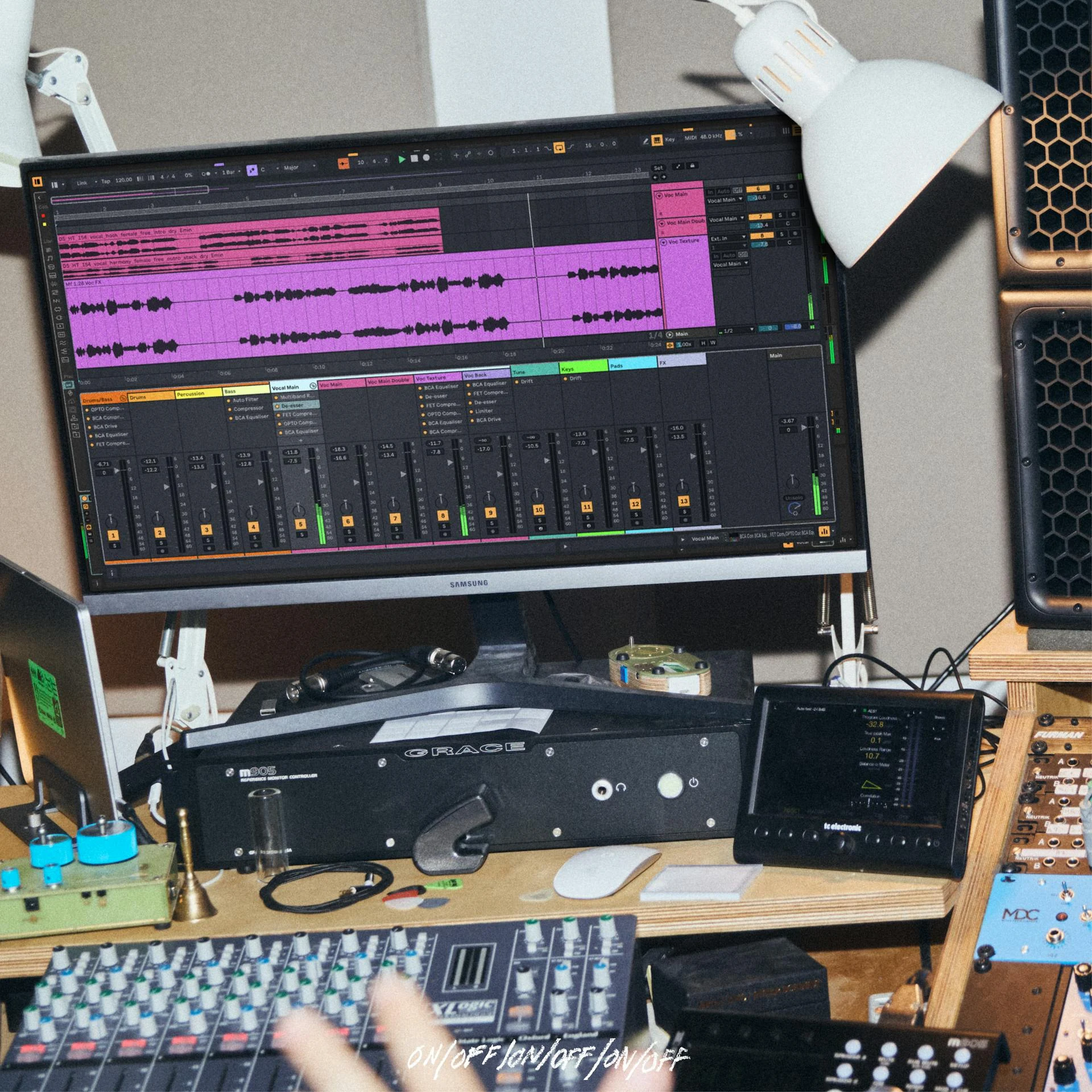
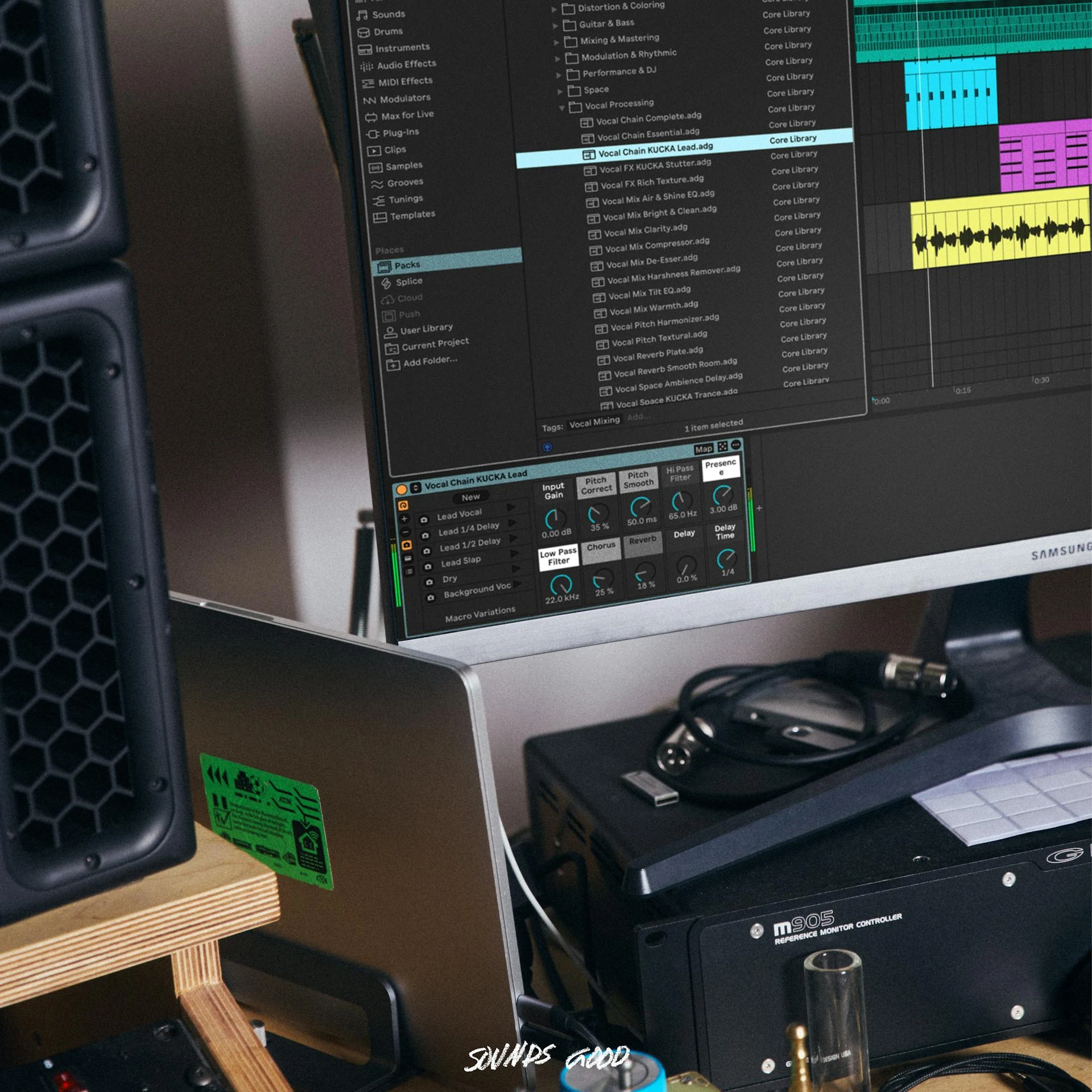
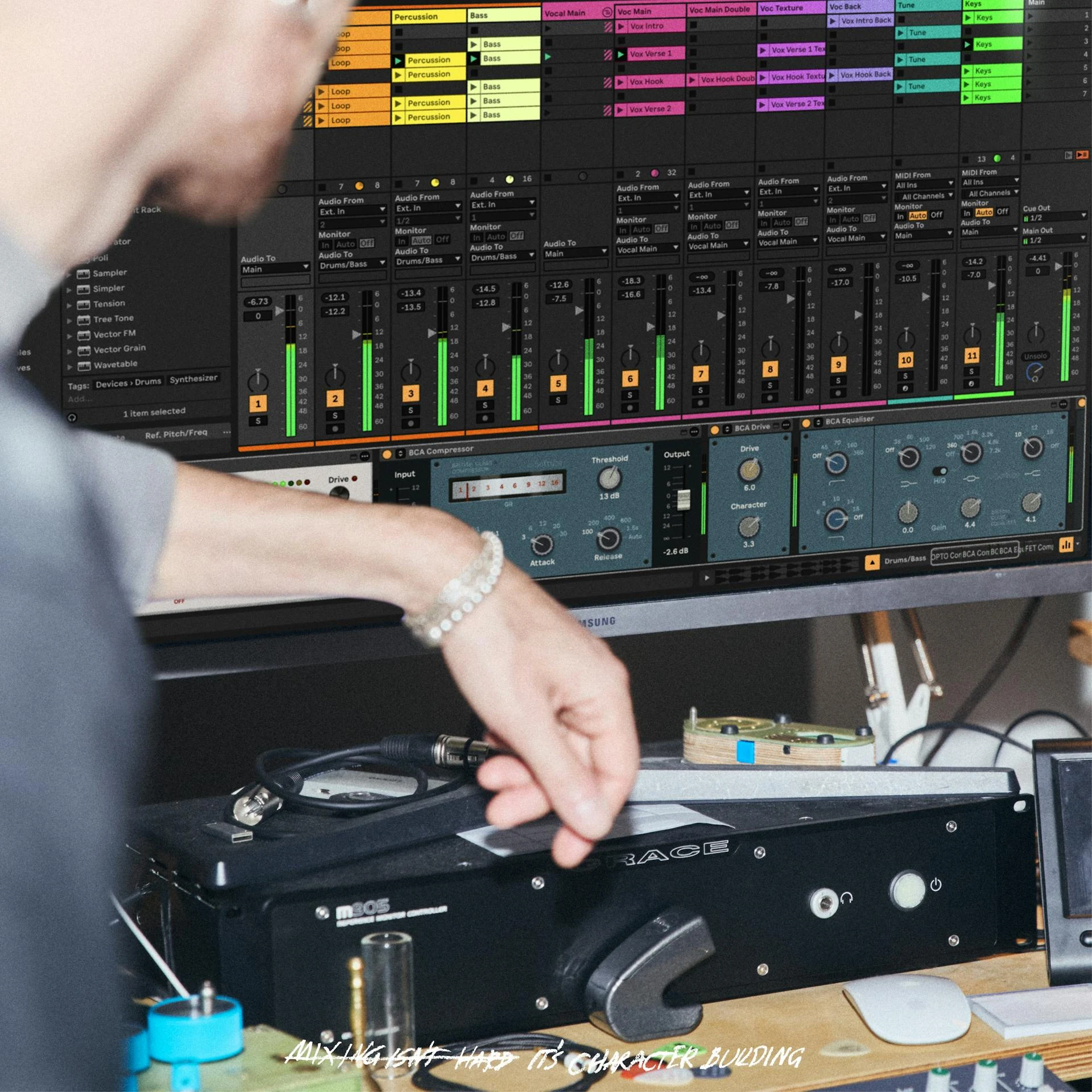
Live is not reserved for “live” performance
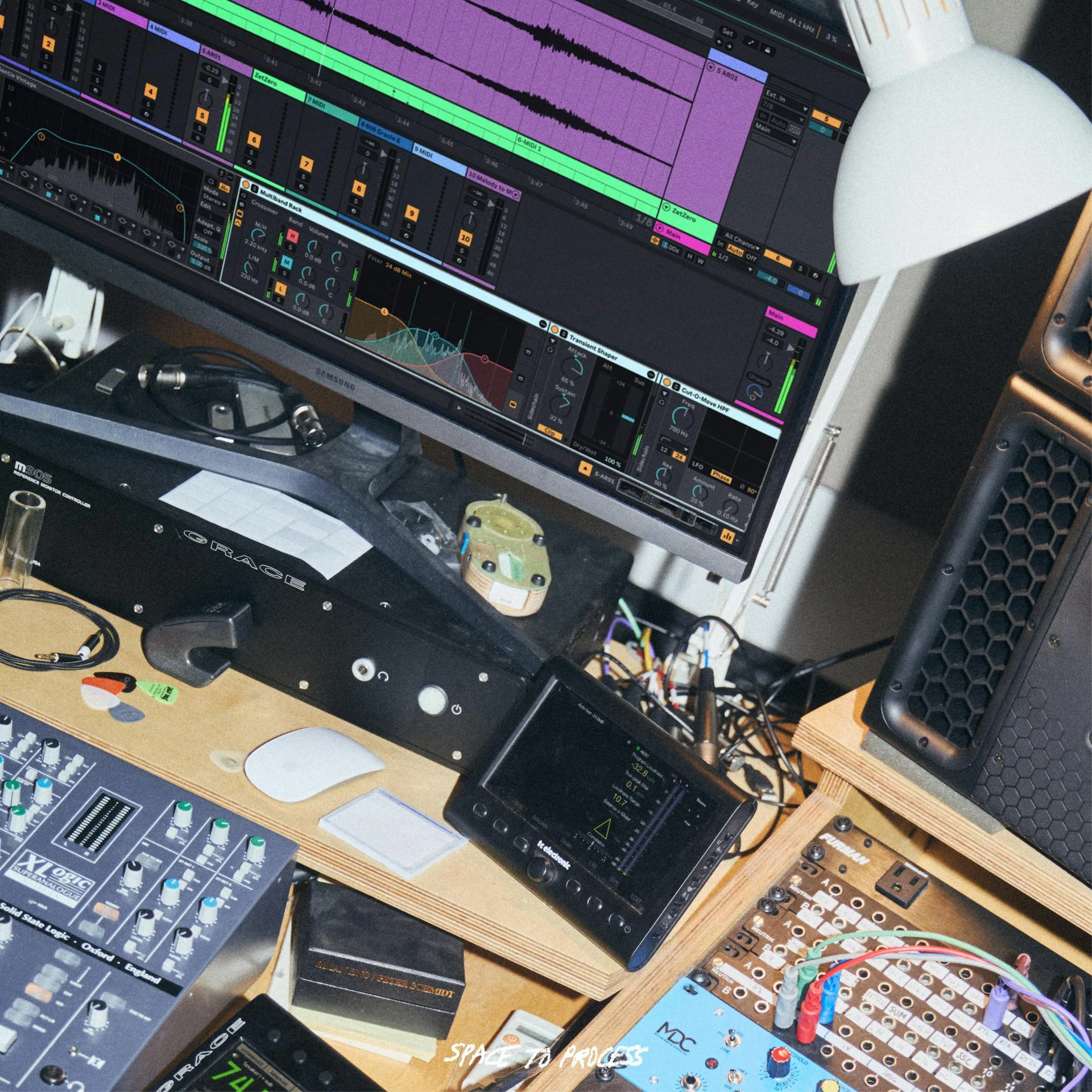
This point is still worth insisting on: Ableton Live is not just a stage tool. Today, countless artists use it as their main production hub, whether for pop, electronic music, hip-hop, experimental music or hybrid projects that combine real instruments, vocals, programming and sound design.
That is why so many clients bring us Live sessions to mix and master. When the ideas are strong and the method is right, any major DAW can turn a vision into a finished piece of music. Live simply developed an especially direct relationship with inspiration.
Why we are likely to jump in at Studio 2.0
Between Pro Tools, Logic and our existing habits, we did not truly “need” Live on a daily basis. But the reality is that its integration with Push, its communication with Pro Tools, Ableton Link and its overall toolset now make it a very credible complement to our existing setup. Version 13 feels like a very good moment to take that step.
That also connects naturally with our coaching work. We support many artists through individual production coaching, so knowing Live deeply makes perfect sense when many of them are already building their music inside Ableton.
A DAW does not do everything… but the right method changes everything
No workstation creates miracles on its own. With the right methods, however, a clear workflow and the right guidance, any top DAW can become a powerful tool to bring a project to life. That is exactly what we offer at Studio 2.0 through our tailor-made individual training sessions: learning while producing, recording and finalizing a project in a professional environment, with access to the studio’s full equipment.
Key takeaways
• Live 13 strengthens everything that already made Ableton successful: speed, creativity, flexible sound manipulation and fluid workflow.
• Major additions include Step Sequencer, ARA 2, Drum Synth, Capture Automation, Looplet, Clipper and new rack types.
• Live has long since become much more than software “for the stage”: it is a true production center for countless artists and beatmakers.
• At Studio 2.0, we already receive many Live sessions for mixing and mastering, and version 13 makes us want to integrate the DAW more deeply into our own workflow.
• With the right method, Live can be an outstanding tool to build a project from start to finish.
Our take
Ableton Live 13 does not feel like change for the sake of change; it feels like an intelligent evolution of an already strong environment. The DAW looks more mature, more coherent and more complete than before. For producers and beatmakers, this is a very serious update. And for us at Studio 2.0, it may well be the right moment to bring Live more fully into our daily practice.
This article is based on the official Ableton Live 13 page and on our studio experience with artists and producers already working in Ableton. Comments about future integration of Live 13 at Studio 2.0 reflect a working intention of the studio.
Discover the official Ableton Live 13 page ↗
Direct link to the official website, without an intermediary store.
 STUDIO 2.0 · TRAINING · MUSIC PRODUCTIONTake your productions further.DAWs, arranging, synthesis and sound design: develop your methods using your own tracks in personalised one-to-one sessions.ONE-TO-ONE TRAININGEXPLORE MUSIC PRODUCTION TRAINING ↗