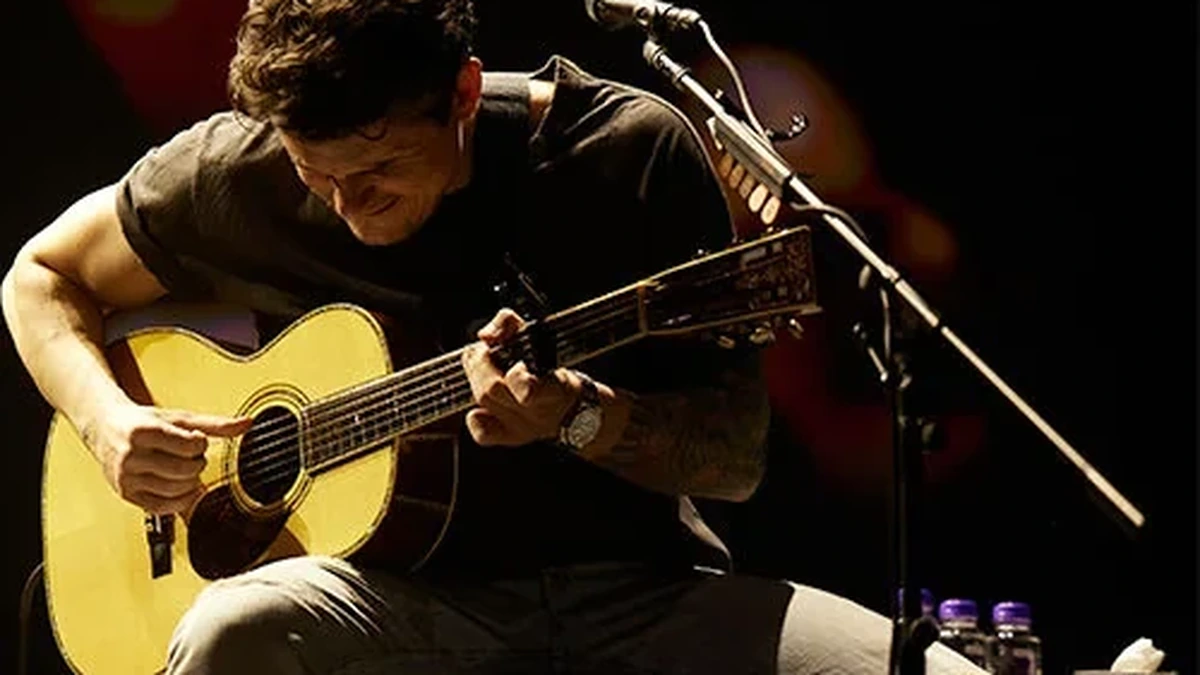
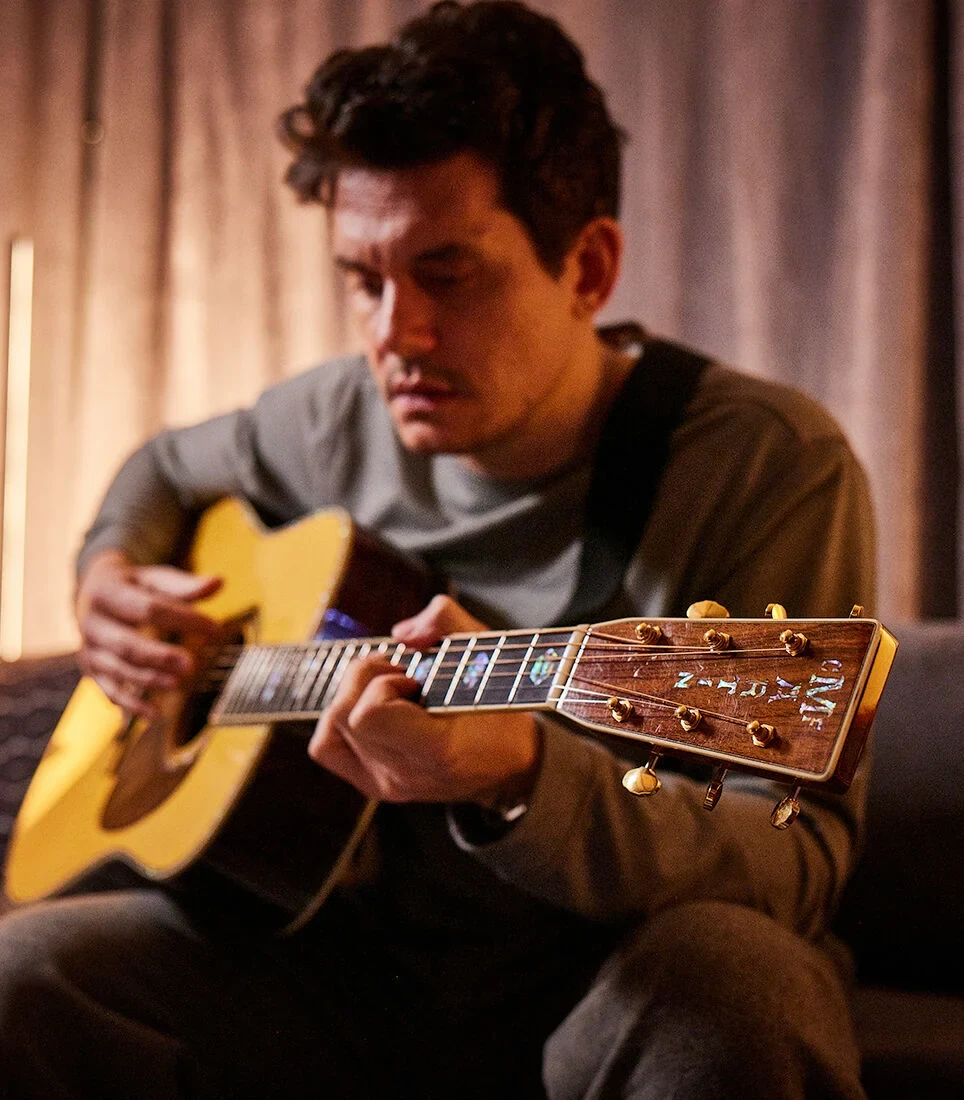
The relationship between John Mayer and Martin Guitar is one of those long-term partnerships that genuinely makes sense. On one side, a player whose language blends pop, blues, folk and deep guitar culture. On the other, a company that helped define the history of the modern acoustic guitar. With the arrival of the new OM-13E John Mayer and OMC-13E John Mayer, Martin opens a more accessible new chapter in that story.
Martin itself points to more than two decades of shared history, from the first OM-28 John Mayer in 2003 to the enduring OMJM and other signature variations. For many players, these instruments embody a certain idea of comfort, balance and musicality. And for us, as a studio that regularly records acoustics, that makes the subject especially interesting.
John Mayer between Fender, PRS and Martin
John Mayer is a rare case in the guitar world. He influenced a whole generation during his Fender years, especially around the Stratocaster, and later opened another strong chapter with PRS and the Silver Sky. But reducing Mayer to his electric side would miss something essential: the acoustic guitar, which remains central to his writing, touch and vocal phrasing.
That is exactly why Martin matters so much here. For Mayer, acoustic guitar is not an accessory – it is a true expressive territory. His partnership with Martin therefore feels entirely coherent with an important part of his artistic identity.
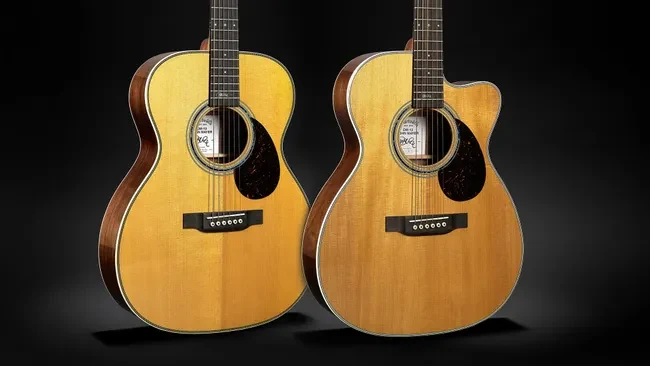
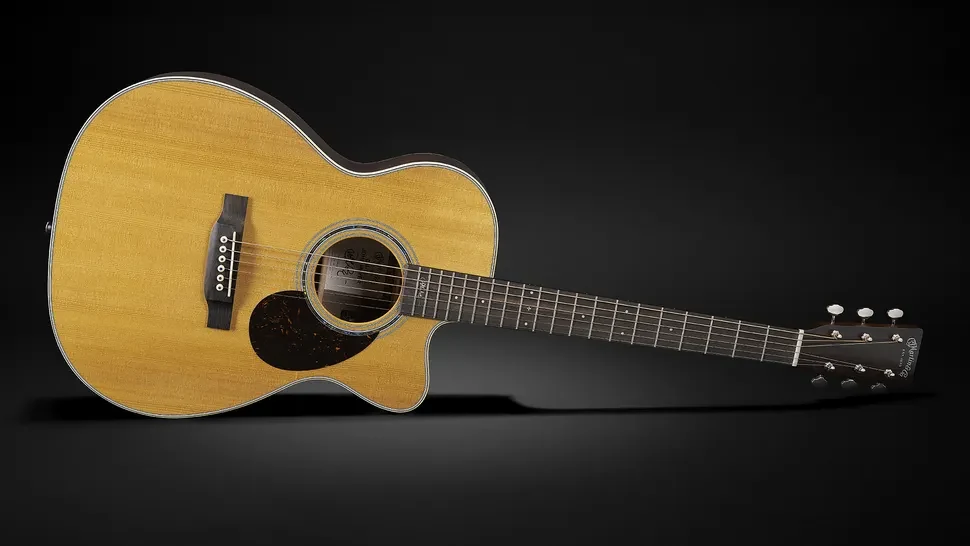
What Martin is announcing with the OM-13E and OMC-13E
On its official page, Martin introduces two models joining the Road Series for the first time: the non-cutaway OM-13E John Mayer and the cutaway OMC-13E John Mayer. Both keep a number of features associated with Mayer while aiming at a wider audience than some higher-end signature instruments.
Martin highlights a solid Engelmann spruce top, solid black walnut back and sides and a voice intended to suit both strumming and fingerstyle work. To us, the real interest of the announcement lies in that balance: keeping the Mayer lineage alive while making it more reachable for players who want an inspiring everyday instrument, not just a collector’s piece.
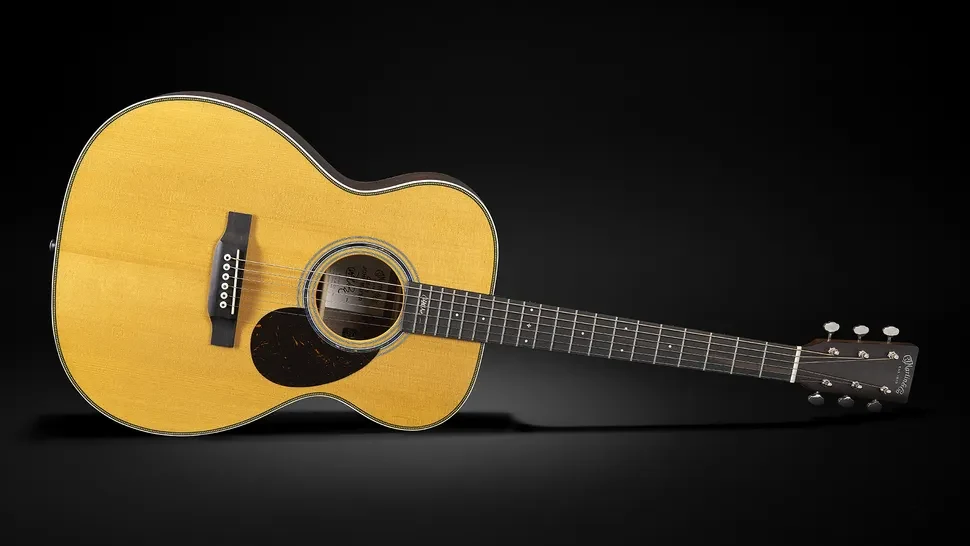
Why Martin guitars remain so special
Martin is often discussed in terms of heritage, prestige and iconic models. But beyond the image, what matters is what happens when you play them and when you record them. Good Martins often project without harshness, keep the midrange articulate and let the transient breathe. They can sound full without becoming heavy.
We have had several opportunities to record Martins in the studio, and the same conclusion often returns: as soon as a fine Martin goes through good condenser microphones, something beautiful happens. The guitar occupies space naturally, chords open well, single notes stay present and the whole picture breathes. For acoustic recording, that is a superb foundation.
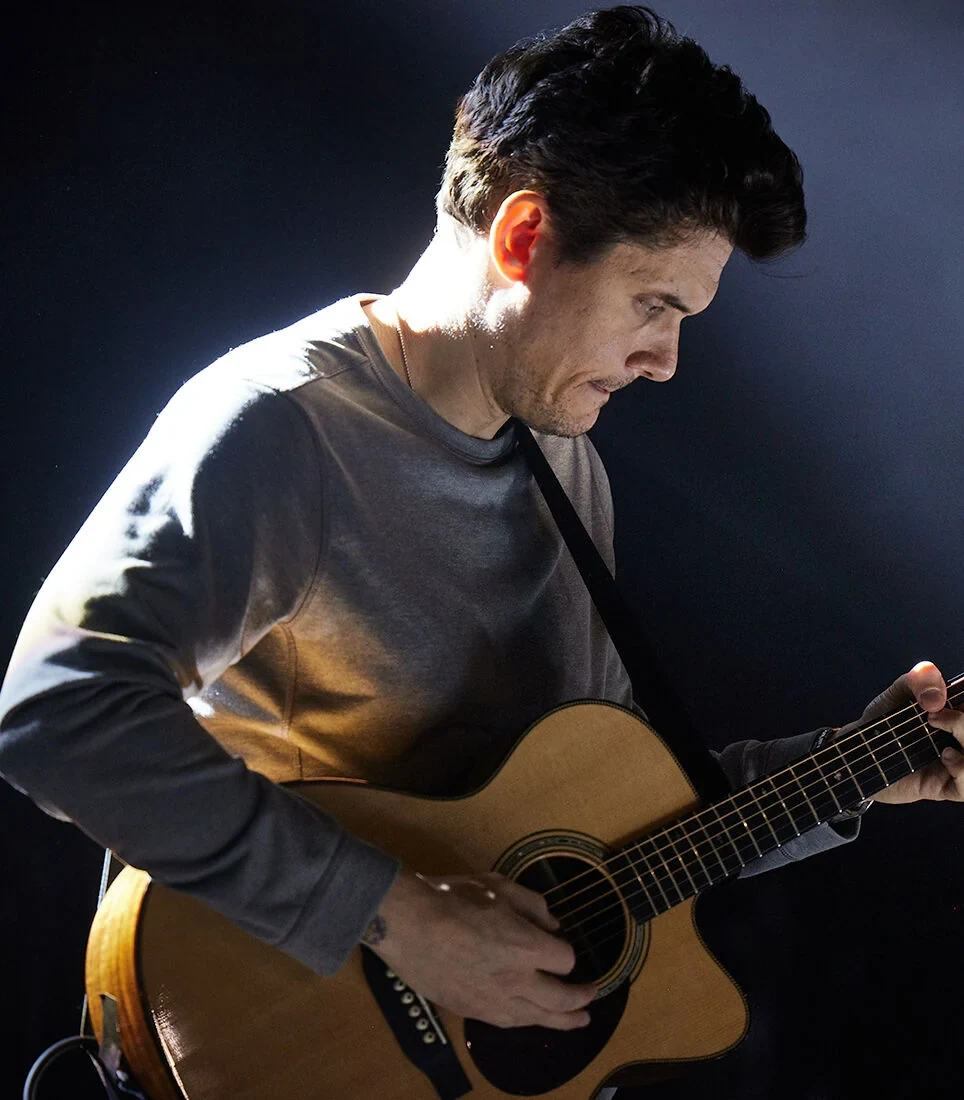
At Studio 2.0: a guitarist’s studio first and foremost
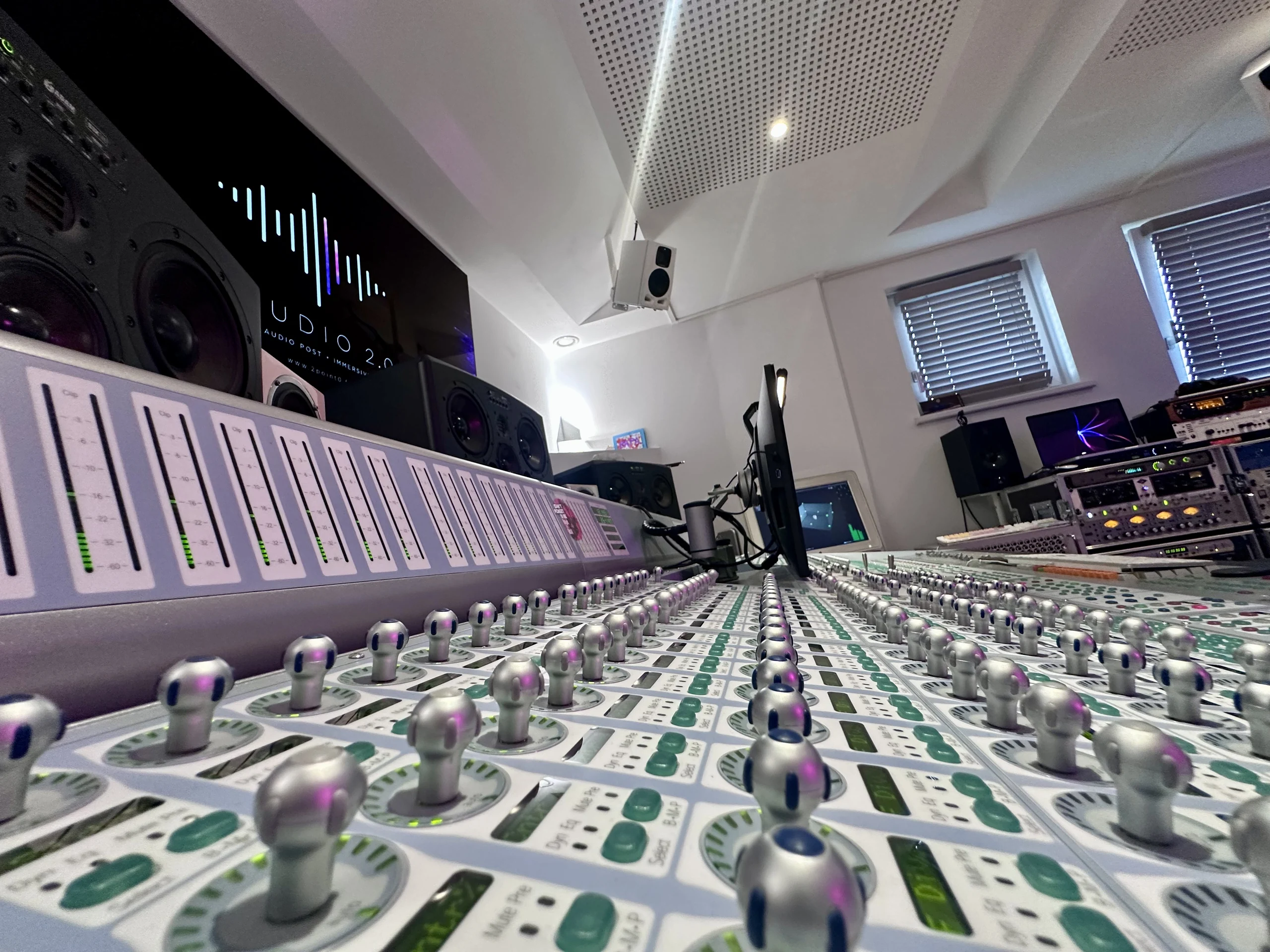
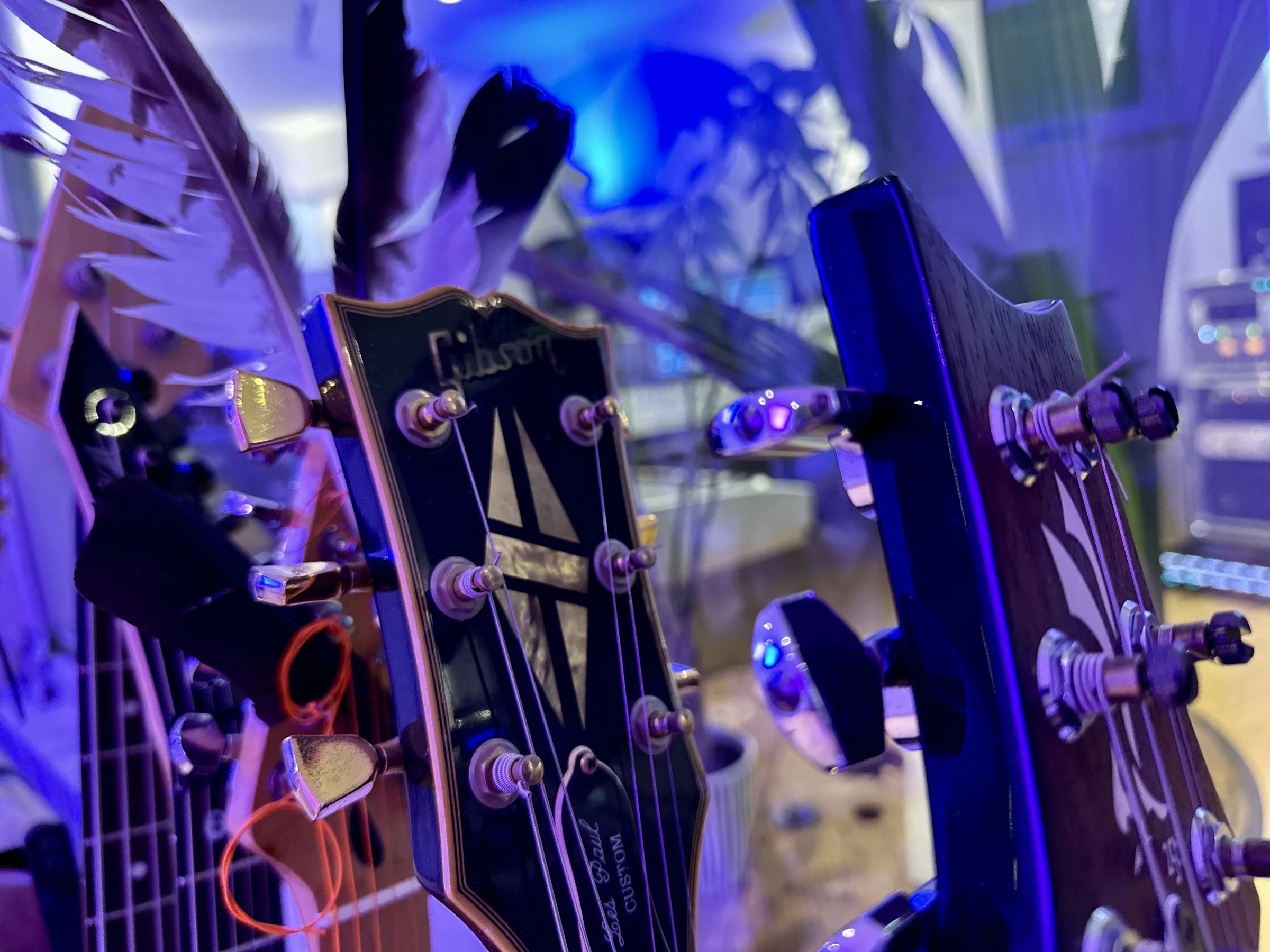
It is worth saying clearly: Studio 2.0 is, first and foremost, a guitarist’s studio. We naturally care about touch, amplification, recording technique and the role the guitar plays inside a production. Our current in-house backline tends more toward Taylor, but that certainly does not rule out the possibility that a Martin may one day join the studio and expand the palette we can offer artists.
That diversity matters. A Taylor, a Martin, a vintage guitar or a modern electro-acoustic model: each one opens a different writing path. And when you help an artist build a song from the ground up, those choices can make a real difference.

Signature models that speak beyond fandom
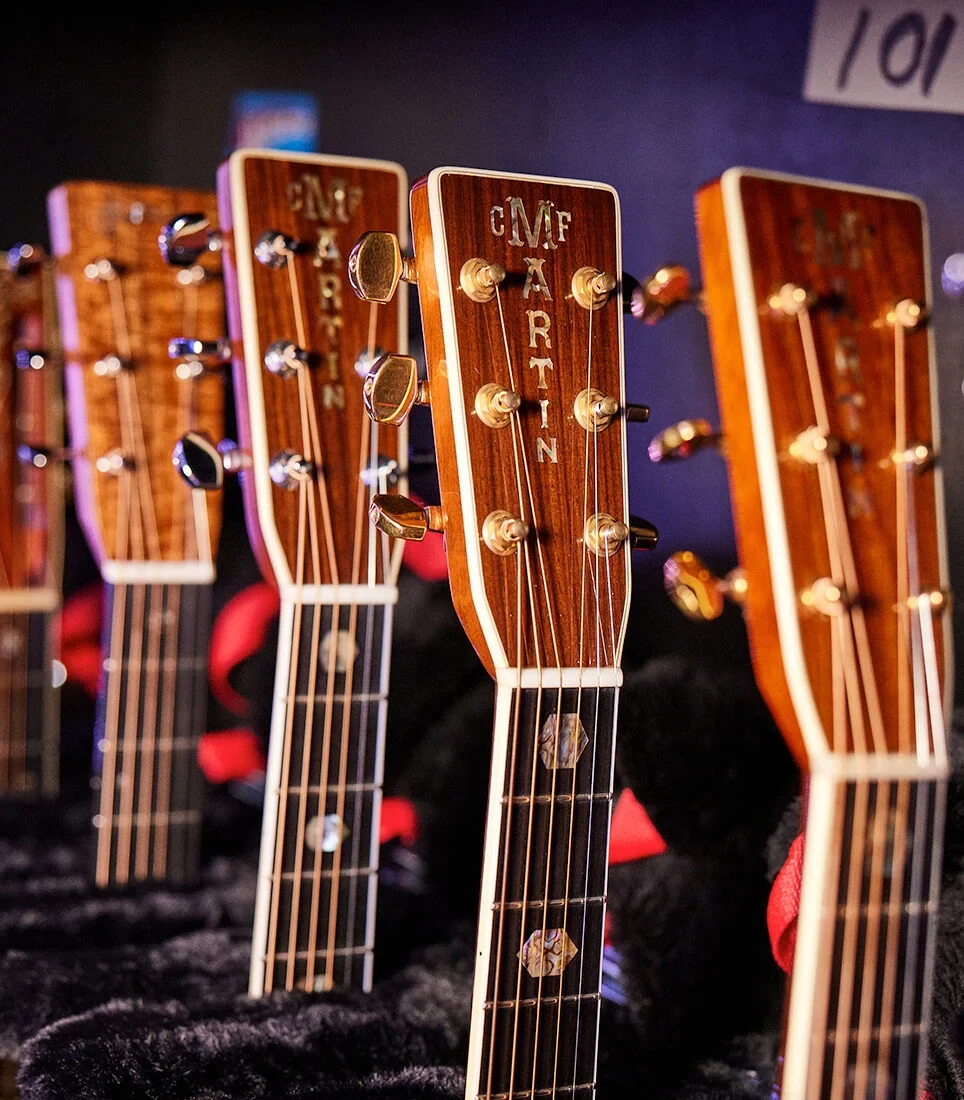
What we appreciate in a strong signature collaboration is when it goes beyond the marketing angle. If the OM-13E and OMC-13E John Mayer succeed in practice, they will appeal not only to Mayer fans, but also to players looking for a balanced, comfortable and musical OM format with a real acoustic personality.
The OM shape remains a wonderful compromise for many musicians: precise enough for fingerstyle, balanced enough for voice and often very clear in a recording context. There is a reason this silhouette has lasted so well.
Key takeaways
• Martin extends more than twenty years of collaboration with John Mayer, from the 2003 OM-28 to the OMJM and now the OM-13E / OMC-13E.
• Mayer’s path through Fender and later PRS shows how rare it is to remain equally credible in both electric and acoustic guitar worlds.
• The new Martin models aim for wider accessibility while keeping important aspects of his playing universe.
• At Studio 2.0, we have often recorded Martins, and with the right condenser microphones they can sound absolutely beautiful.
• Even though our current backline leans more toward Taylor, the idea of welcoming a Martin one day remains very much open.
Our take
We like this news because it reminds us of something simple: a great acoustic guitar is not just an object, it is a partner for writing, performance and recording. And if you love guitar, sound and creation, that is exactly the spirit we also defend at Studio 2.0 – including through our guitar-focused studio experiences, open to enthusiasts as well as professionals.
This article is based on official Martin Guitar information and on our studio experience recording acoustic guitars. Remarks about a future Martin in the backline reflect a studio intention, not a confirmed equipment announcement.
Discover Martin’s official John Mayer page ↗
Direct link to the official website, without an intermediary store.
 STUDIO 2.0 · GUITAR EXPERIENCEExplore the guitar in a whole new way.Guitars, tone, amplifiers and discoveries: a studio experience made for guitar enthusiasts.DISCOVER THE GUITAR EXPERIENCE