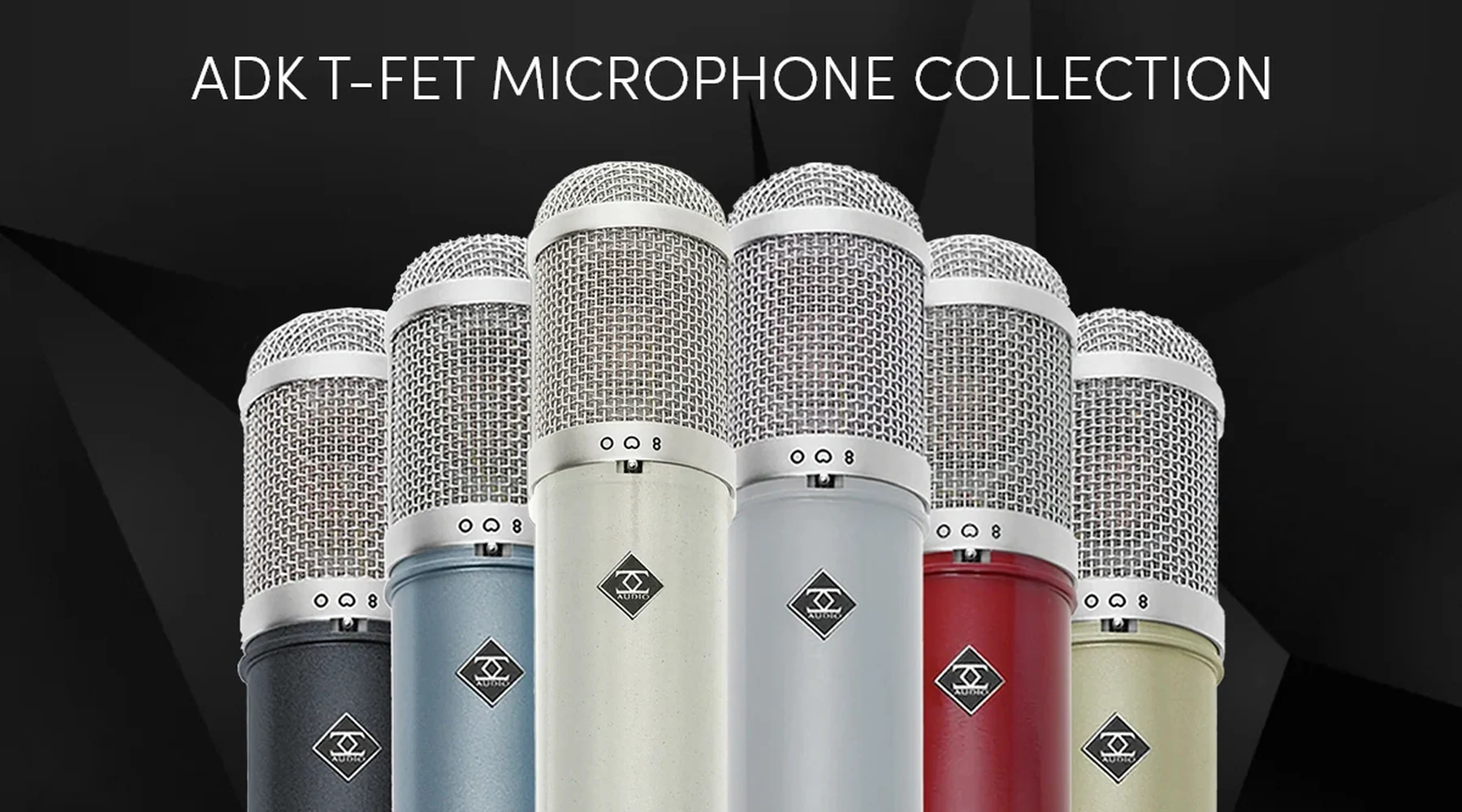
OEP transformers, gradual saturation circuits and several capsule voicings: the ADK T-FET range caught our attention. We would love to compare it with our studio microphones on voice, piano and acoustic guitar.
Vintage inspiration needs more than a familiar silhouette
Many microphones claim to revive legendary studio designs. ADK takes an interesting path with the T-FET family, explaining that it wanted colours associated with earlier European tube microphones while using modern FET electronics. The aim is not simply to copy one famous model, but to offer a range of tonal profiles with flexible professional controls.
ADK traces the project back to listening to early-1970s analogue recordings and comparing transistor microphones of that period with tube-microphone sessions. The story suggests a sonic direction, but it does not replace a careful listening test.
FET circuitry and an OEP transformer
The manufacturer highlights a British OEP transformer and a circuit intended to introduce slow, musically progressive saturation reminiscent of some valve designs. In reality, capsule, transformer, electronics and impedance all interact; no single component can explain an entire microphone’s character.
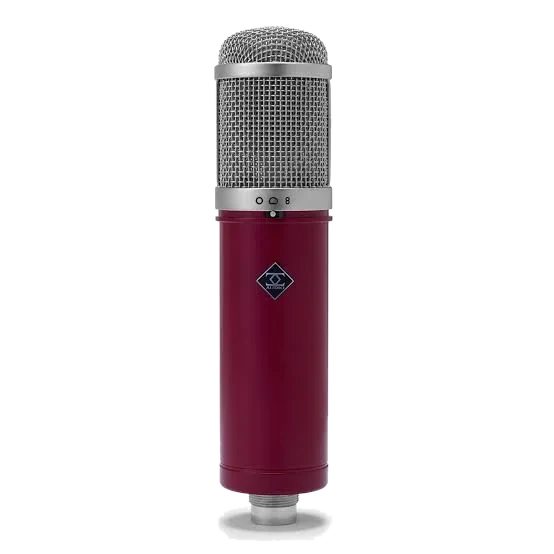
A gently saturating design may make hard transients pleasing and help a source sit within a mix. We would also want to measure or hear self-noise, low-level detail, dynamic headroom and the accuracy of transient reproduction.
Different capsules, different sonic priorities
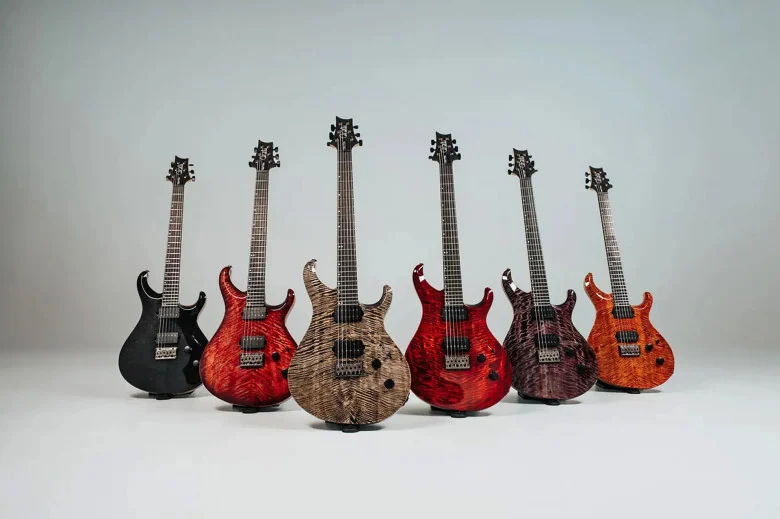
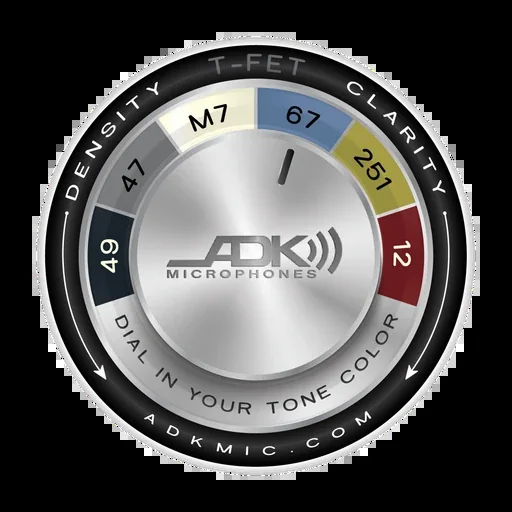
The T-FET family includes several variants with deliberately distinct voicings. ADK references capsule identities such as 49, 47, 251, 12 and M7, balancing perceived density against clarity. Capsule choice may affect the presence region, treble smoothness and how easily a voice stays forward in a mix.
A two-stage pad and two-slope high-pass filter provide useful options for loud sources and unwanted low-frequency vibration. Practical controls should be judged alongside the main tonal signature.
Voice: clarity, warmth and emotional detail
For sung or spoken voice we do not seek brightness at any cost. A microphone can sound impressive in isolation yet become tiring after compression or struggle in a dense arrangement. The right choice depends on the performer’s register, consonants, distance, dynamics and aesthetic.
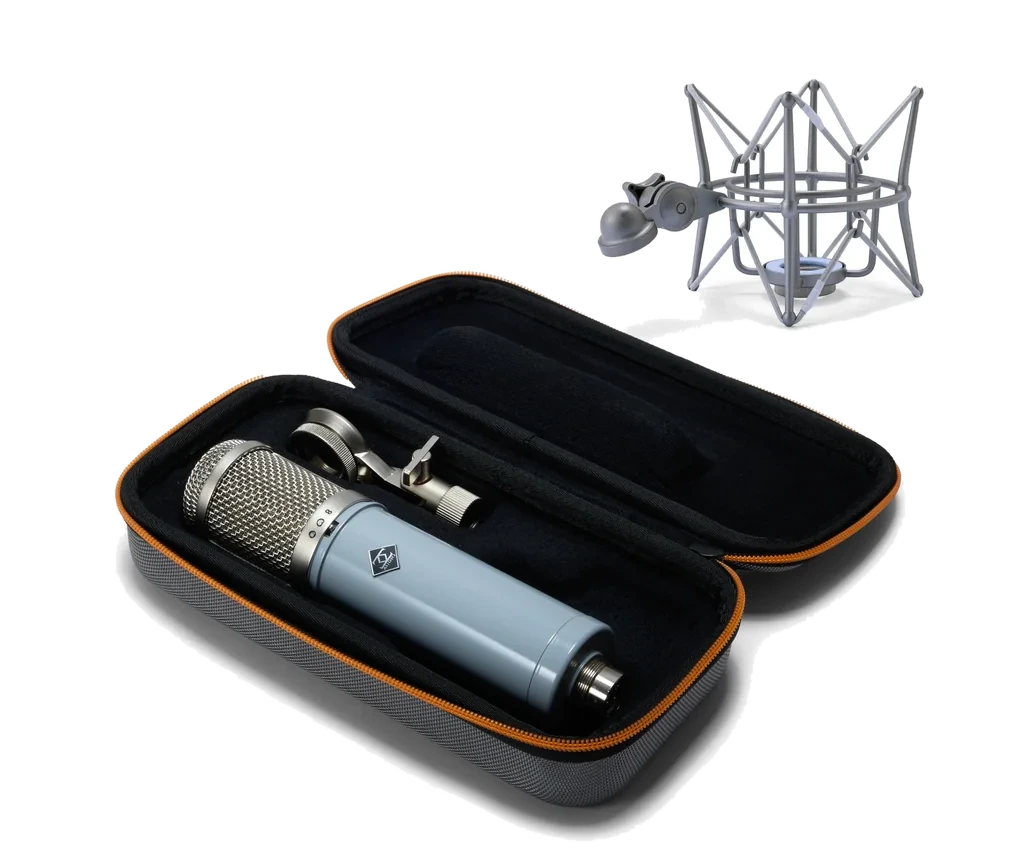

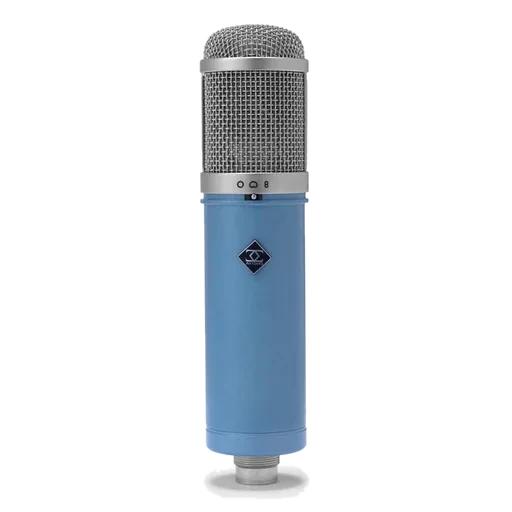
We would compare the ADK range with Neumann microphones already at our studio and sE Electronics models associated with Rupert Neve. The point would be to understand each microphone’s strengths, not to crown one universal winner.
Piano and acoustic guitar as revealing sources
A piano asks a microphone to reproduce wide bandwidth, hammer attack, resonance and body. A suitable pair and careful placement often make more difference than an abstract promise of vintage warmth. The ADK models could offer interesting colour, but matched-pair behaviour still needs evaluation.
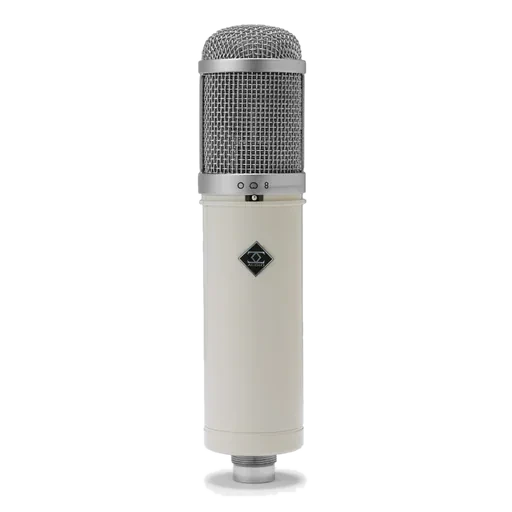

Acoustic guitar brings another challenge: balancing wood, string articulation, transient detail and noise. A microphone that flatters solo playing may be less effective underneath vocals, percussion and strings.
A great subject for hands-on individual training
We have regularly compared studio microphones during our individual training sessions. Recording the same performance through different models, at matched gain and with controlled placement, turns abstract concepts into audible differences: pickup pattern, proximity effect, midrange voicing and sibilance.
We would like to do the same with T-FET microphones on piano, guitar and vocals. The goal would be to judge them within a complete chain from musician to converter, not in isolation.
Our studio perspective
On paper, the ADK T-FET microphones are very promising: distinct capsule voices, carefully chosen electronics and useful controls. We have not tested them and cannot yet say how they compare with our Neumann or sE Electronics microphones. That comparison is precisely what makes them interesting.
Key takeaways
Six vintage-inspired FET voicings, OEP transformer, progressive saturation, pad and high-pass filters. A compelling proposition that still requires real recording tests.
Explore our production and mixing services · Explore our one-to-one training
Detailed presentation on the brand’s official website.
 STUDIO 2.0 · PROFESSIONAL TRAININGTake your mixing skills further.Tailored, individual training on real studio equipment, from stereo and surround to Dolby Atmos.ONE-TO-ONE TRAININGEXPLORE ALL TRAINING